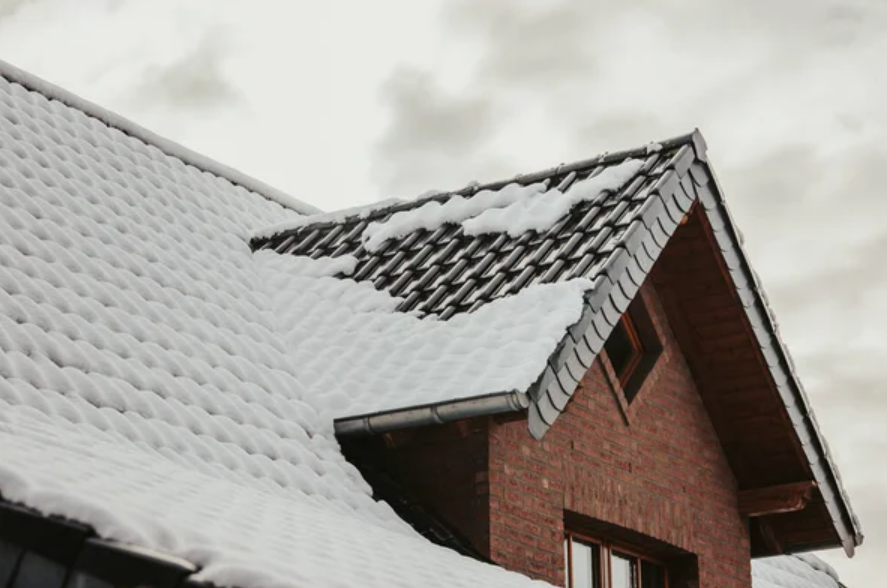
Expert Guide to Ice and Snow Removal from Roofs
When winter storms blanket roofs with snow and ice, homeowners need to act quickly to prevent potential damage. This guide provides essential tips on how to safely remove snow and ice, ensuring your roof remains intact throughout the harsh winter months.
Utilizing tools such as roof rakes and ice melt products can significantly reduce the risk of ice dams and structural damage. It's crucial to understand the proper techniques for snow removal, including working from the ground whenever possible and avoiding the use of sharp tools that could damage roofing materials.
Understanding Ice Dams and Their Risks
Ice dams form when warm air from the home melts snow on the roof, causing water to flow down and refreeze at the eaves. This can lead to significant roof damage and leaks if not addressed promptly. Homeowners should be aware of the signs of ice dam formation and take preventive measures.
To mitigate the risk of ice dams, ensure adequate insulation and ventilation in your attic. This helps maintain a consistent roof temperature, reducing the likelihood of snow melting and refreezing. Regular inspections during winter can also help catch potential issues before they escalate.
Winter Roof Maintenance Tips
Regular maintenance during the winter months is essential for prolonging the life of your roof. This includes clearing debris, checking for leaks, and ensuring that gutters are free of ice and snow buildup. Proactive measures can save homeowners from costly repairs in the spring.
Consider scheduling professional inspections before and after winter storms. Experts can identify weak spots in your roof and recommend repairs or enhancements to better withstand winter conditions. Regular maintenance not only protects your roof but also increases your home’s overall value.
Choosing the Right Roofing Materials for Winter
Selecting appropriate roofing materials can significantly affect your roof's performance in winter weather. Materials such as metal and asphalt shingles are known for their durability and resistance to snow and ice accumulation, making them ideal for New England climates.
When replacing or installing a roof, consult with a professional to discuss the best options for your specific needs. Factors such as insulation properties, weight, and slope can influence the effectiveness of your roofing material in managing winter weather challenges.