Effective Ice Dam Removal Techniques for New England Homes

Home » Blog » Effective Ice Dam Removal Techniques for New England Homes
Merrimack Valley Roofing | Effective Ice Dam Removal Techniques for New England Homes

Ice Dam Prevention: How to Protect Your New England Home This Winter

By Daniel Grzyboski, Merrimack Valley Roofing

Winter in New England brings picturesque scenes but also the challenge of ice dams that can threaten your home’s integrity. These thick, ice formations can lead to serious issues, including water leaks and roof damage. This comprehensive guide will teach you how to effectively prevent ice dams from forming on your roof this winter, ensuring that your home remains safe and sound. You will learn about the key factors that contribute to ice dam formation, the best preventive measures, and maintenance practices that can protect your home throughout the colder months. Additionally, we will explore effective removal techniques and when to call professionals if the problem becomes severe.

By understanding the underlying mechanisms, such as temperature fluctuations and insulation effectiveness, you can take proactive steps to safeguard your roof. This article will cover various aspects, including removal techniques, winter maintenance practices, causes of ice dams, insulation strategies, gutter maintenance, and the use of roof heating cables.

Ice Dam Removal Techniques:

Ice dams require immediate attention to avoid further damage to your property. The best techniques for ice dam removal ensure that the process is safe and effective while minimizing potential harm to the roof structure. One effective method involves installing heat wires along the roof edges, which can prevent new ice from accumulating. Steam removal can also be utilized, where hot steam is directed to melt the ice safely without damaging the roofing materials. For severe ice buildup, consider professional removal services that specialize in ice dam elimination, as they can assess the situation without compromising your roof's integrity.

Winter Maintenance Practices:

Merrimack Valley Roofing | Effective Ice Dam Removal Techniques for New England Homes

To prevent ice dams from forming, maintaining your roof, gutters, and overall home structure during winter is essential. This includes:

  1. Regular Inspections: Inspect your roof and gutters routinely to catch any potential issues early.
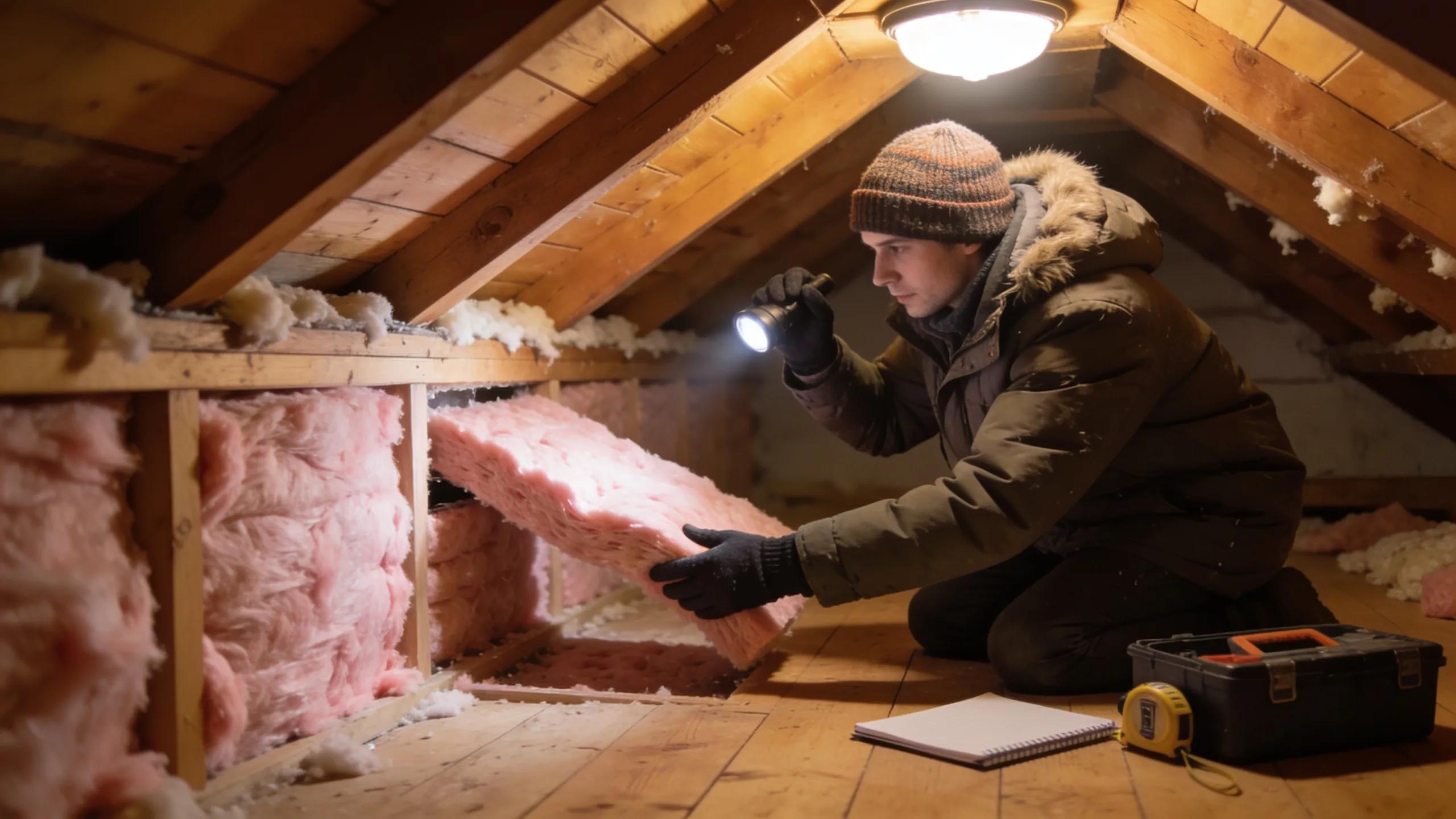
  2. Improving Insulation: Make sure that your insulation is up to par; quality materials can help keep the heat inside your home.
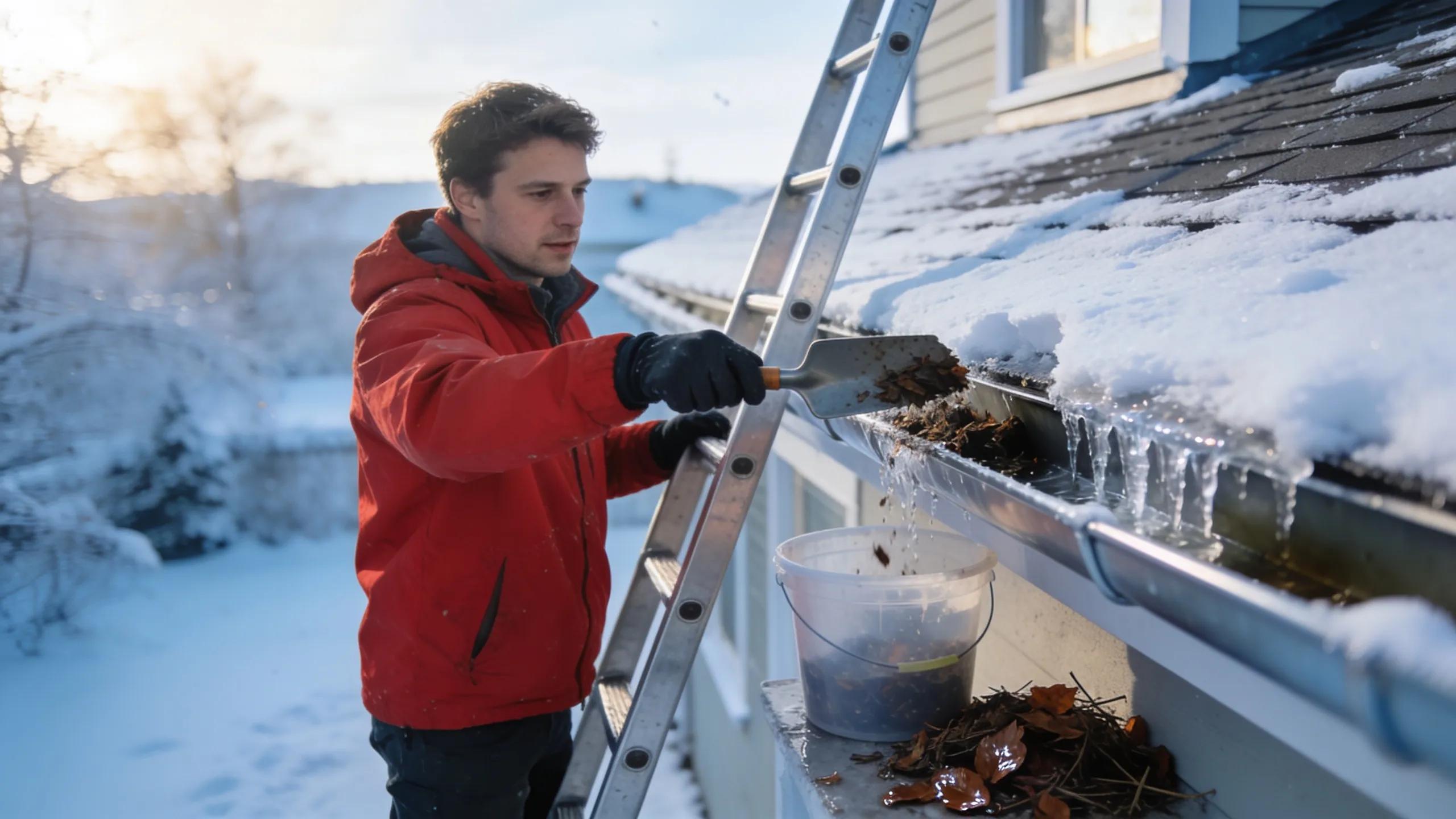
  3. Gutter Maintenance: Keep gutters clear of debris to ensure free-flowing drainage, reducing the chance of ice buildup.

By implementing these practices, you can significantly lower the risk of ice dams forming and causing damage.

What Causes Ice Dams on Roofs in New England Winters?

Ice dams typically occur due to a combination of factors that include snow accumulation, temperature fluctuations, and the structural integrity of the roof. Understanding these elements can help prevent ice dam formation:

How Do Snowmelt and Freeze Cycles Lead to Ice Dam Formation?

During winter, fluctuating temperatures can cause snow on the roof to melt during the day and freeze at night. Heat loss from homes, especially around poorly insulated areas, accelerates this process. The resultant water flows down to the eaves and freezes, ultimately creating a dam.

What Role Do Roof Insulation and Attic Ventilation Play in Causes?

Effective roof insulation is crucial for maintaining consistent roof temperatures. Poorly insulated roofs allow more heat to escape, leading to uneven melting and subsequent freezing. Adequate attic ventilation plays a significant role in equalizing temperature and reducing the chances of ice dams.

How Can You Prevent Ice Dams: Effective Roof Insulation and Ventilation Techniques?

To effectively prevent ice dams, it is essential to enhance both roof insulation and ventilation. This can be achieved by:

  • Using materials with higher R-values to reduce heat loss.
  • Ensuring that air flow pathways are unobstructed to facilitate proper ventilation.

Implementing these strategies allows your roof to maintain a consistent temperature, reducing the risk of ice formation.

What Are Best Practices for Upgrading Roof Insulation to Stop Ice Dams?

When considering roof insulation upgrades, take into account the following essential practices:

  1. Types of Insulation Materials: Opt for high-quality insulation materials that provide optimal thermal resistance.
  2. Proper Installation Techniques: Ensure that all insulation is installed correctly, with no gaps or compression.
  3. Maintenance and Inspection Tips: Regularly check the condition of the insulation to ensure it remains effective.

By following these guidelines, you can significantly bolster your roof’s resistance to ice dam formation.

How Does Proper Attic Ventilation Help in Ice Dam Prevention?

Attic ventilation is vital for reducing ice dam risks. Proper ventilation allows for consistent airflow, which helps regulate attic temperatures. Here are some key benefits:

  • Methods of Ventilation: Incorporate ridge vents and soffit vents to maximize airflow.
  • Benefits of Airflow Regulation: Effective ventilation reduces heat accumulation and moisture buildup.
  • Impact on Roof Surface Temperature: Maintaining an even temperature on the roof surface aids in preventing snow from melting unevenly.

What Are the Key Gutter Maintenance and Snow Management Steps to Avoid Ice Dams?

Merrimack Valley Roofing | Effective Ice Dam Removal Techniques for New England Homes

Maintaining clear gutters and effective snow management is essential. Here are key practices that can prevent ice dams:

  1. Importance of Clearing Gutters: Ensure that gutters are free of debris to allow for proper drainage.
  2. Snow Removal Techniques: Remove snow from the roof edges and valleys to reduce the weight and avoid water pooling.
  3. Preventive Maintenance Practices: Regularly inspect and maintain your gutters to ensure they function correctly.

Implementing these strategies can mitigate ice buildup and the potential for subsequent damage.

How Does Regular Gutter Cleaning Reduce Ice Buildup on Roof Edges?

Regularly cleaning your gutters ensures that water can flow freely, preventing blockages that lead to ice formation. Proper drainage is crucial in managing water flow, especially during freeze-thaw cycles.

What Snow Removal Techniques Minimize Ice Dam Risks on Gutters and Roofs?

Effective snow removal techniques contribute significantly to preventing ice dams. Some useful methods include:

  • Techniques and Tools for Snow Removal: Utilize roof rakes to safely remove snow without damaging roofing materials.
  • Heat Cables Applications: Install heat cables on sections of the roof prone to ice formation.
  • Professional Services Overview: For significant snow accumulation, consider hiring professionals who are equipped to handle snow removal safely.

How Do Roof Heating Cables and Ice Melting Systems Work for Ice Dam Prevention?

Roof heating cables provide a proactive measure against ice dams by directly addressing the problem. These cables can be installed along the roof edge, providing consistent heat to melt snow and ice before it can accumulate. For advanced solutions and professional installation, consider:expert ice and snow removal services.

What Are the Installation Methods for Effective Roof Heating Cables?

Professionals often recommend the following methods for installing heating cables:

  1. Professional vs DIY Installation: While DIY is an option, hiring professionals ensures safety and effectiveness.
  2. Safety Protocols: Follow all safety guidelines during installation to prevent electrical hazards.
  3. Maintenance Tips: Regular checks for wear and damage can ensure ongoing effectiveness.

Are Ice Melting Cables Efficient and Safe for New England Homes?

Ice melting cables can provide an effective solution for ice dam prevention. Here are some considerations:

  • Efficiency Evaluations: Well-designed systems can reduce ice dam formation significantly.
  • Comparative Analysis: Evaluate the cost-effectiveness of these systems against potential damage repairs.
  • Recommendations for Use: Based on local conditions, installation should be tailored to fit specific roofing scenarios.

When Should You Contact Professional Ice Dam Removal Services in New England?

Identifying when to reach out for professional help can save your home from extensive damage. Key indicators include:

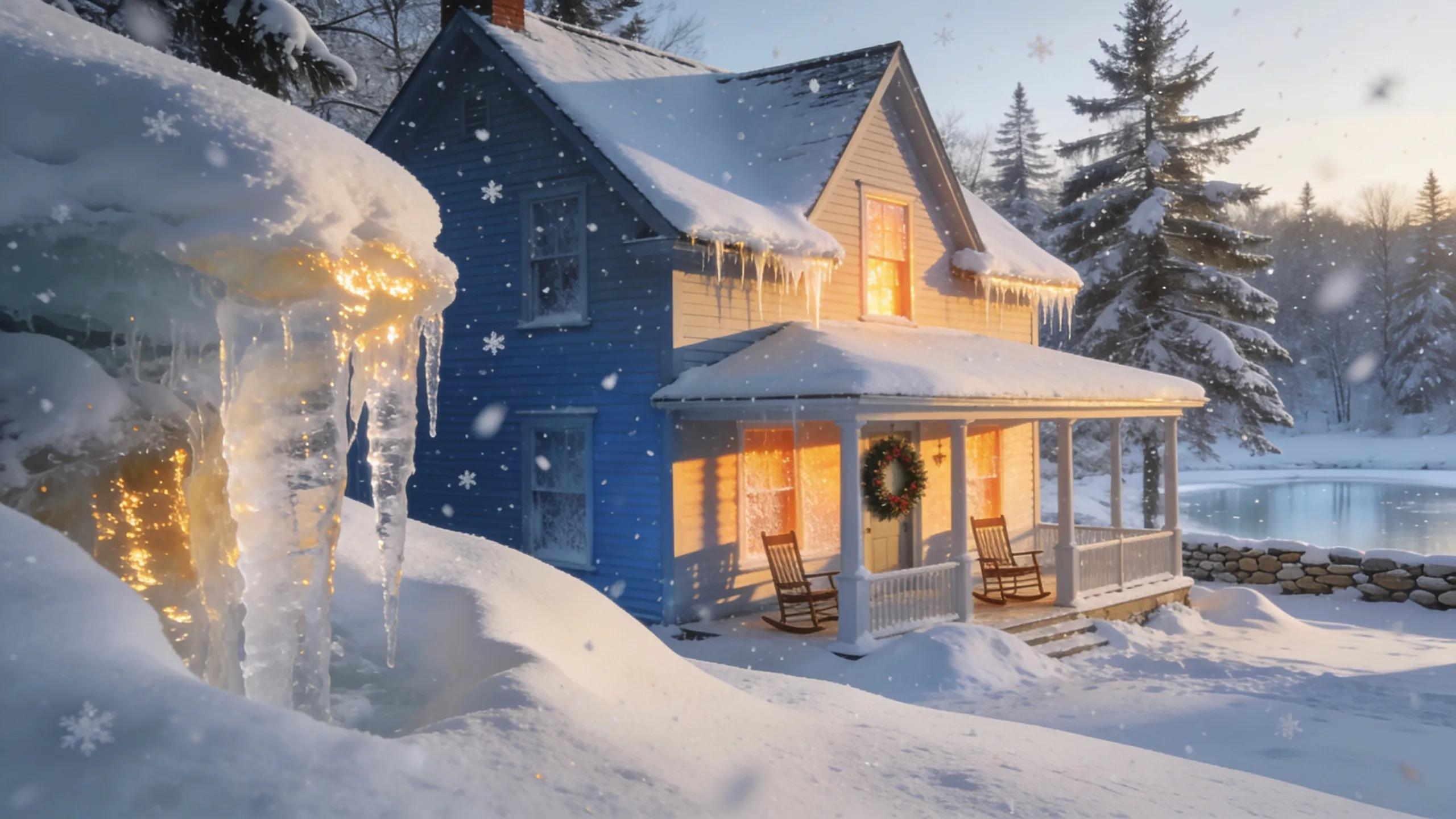
  • Signs of Ice Dam Formation: Look for icicles hanging from the roof edges.
  • Risks of Neglecting Removal: Allowing ice dams to persist can lead to leaks and significant water damage.
  • When to Seek Professional Help: If you observe significant ice buildup, professional intervention may be necessary.

What Are Signs That Indicate Professional Roof Ice Dam Removal Is Needed?

Recognizing warning signs can prevent costly repairs. Look for:

  • Physical Indicators: Water stains on ceilings or walls.
  • Common Issues Caused by Ice Dams: Structural damage or mold growth.
  • Impact of Weather Patterns: Consider how alternating freeze-thaw cycles affect ice buildup.

How Can Merrimack Valley Roofing Help With Expert Ice Dam and Snow Removal?

Merrimack Valley Roofing operates as a comprehensive roofing service provider in New England, addressing all aspects of roofing management, including ice dam and snow removal. Their expertise in local conditions ensures tailored solutions for your home’s needs. They offer emergency service availability, making them a reliable choice for timely intervention. For a full range of services including roofing solutions, contact them today.

What Are Essential Home Winterizing Best Practices to Protect Against Ice Dams?

To protect your home against ice dams, consider these best practices:

  1. Maintenance Practices: Regular inspections can identify issues before they escalate.
  2. Effective Insulation Tips: Proper insulation can help maintain temperature.
  3. Ventilation Measures: Ensure air circulation to reduce heat buildup.

How Should You Prepare Your Roof and Home Before Winter Arrives?

Preparation is key to a successful winter. Follow these steps:

  1. Inspecting Roofs: Regular inspections can highlight areas needing attention.Professional roof inspections are crucial for identifying potential problems early.
  2. Sealing Gaps: Ensure that all entry points for heat and air are sealed effectively.
  3. Cleaning Gutters: Ensure your gutters are clear to facilitate drainage.

What Tools and Safety Measures Are Recommended for DIY Ice Dam Prevention?

For DIY enthusiasts, having the right tools and safety measures is crucial. Recommended tools include:

  • Recommended Tools: Roof rakes or ladders with stabilizers for safe snow removal.
  • Safety Guidelines: Always wear proper protective gear when working on roofs.
  • Techniques for Effective Prevention: Employ best practices for snow management.

By taking proactive measures and understanding the underlying principles of ice dam formation, you can effectively protect your home against the harsh New England winter.