What to Do When Damaged Roof Decking Replacement Is Needed

[wpseo_breadcrumb]

Merrimack Valley Roofing | What to Do When Damaged Roof Decking Replacement Is Needed

Merrimack Valley Roofing provides roof repair and replacement from its Sandown, NH base. Request a free on-site inspection and written estimate to discuss the roof condition, proposed system and any decking allowances before work is scheduled. Contact us for more information.

What to Do When Damaged Roof Decking Replacement Is Needed

Damaged roof decking found during a tear-off requires stopping work and assessing the structural surface beneath. Homeowners should expect detailed documentation of rot or weakness, including photographs, and a written price for replacement before proceeding. This careful approach is important to ensure clear communication and transparency in the roofing process. Southern New Hampshire homeowners can obtain free on-site written estimates before scheduling roof replacement, helping to establish expectations early in the project.

Key Takeaways

  • Damaged roof decking often remains concealed until the old shingles are removed during tear-off.
  • A complete inspection of the deck is limited from the outside prior to beginning roof replacement.
  • Decking that is soft, delaminated, or waterlogged typically requires replacement after removing old shingles.
  • Identifying the source of moisture and checking the framing condition are essential before replacing any damaged decking.

What is roof decking and why does it matter?

Roof decking is the structural wood surface nailed across roof trusses or rafters. Also called roof sheathing, it creates the base that the entire roofing system attaches to. Underlayment, ice and water shield, and shingles all fasten to this layer. When portions of that surface are deteriorated, weakened, or otherwise unsuitable, the scope of a roof replacement can change significantly.

Many homeowners do not see the condition of the deck until tear-off day. Regardless of how good the shingles look from the street, if the deck is compromised, the roofing system cannot perform properly. It is common to discover decks that have become soft or weakened over time beneath shingles that appear intact. This hidden layer supports the whole roofing system.

What materials are used for roof decking?

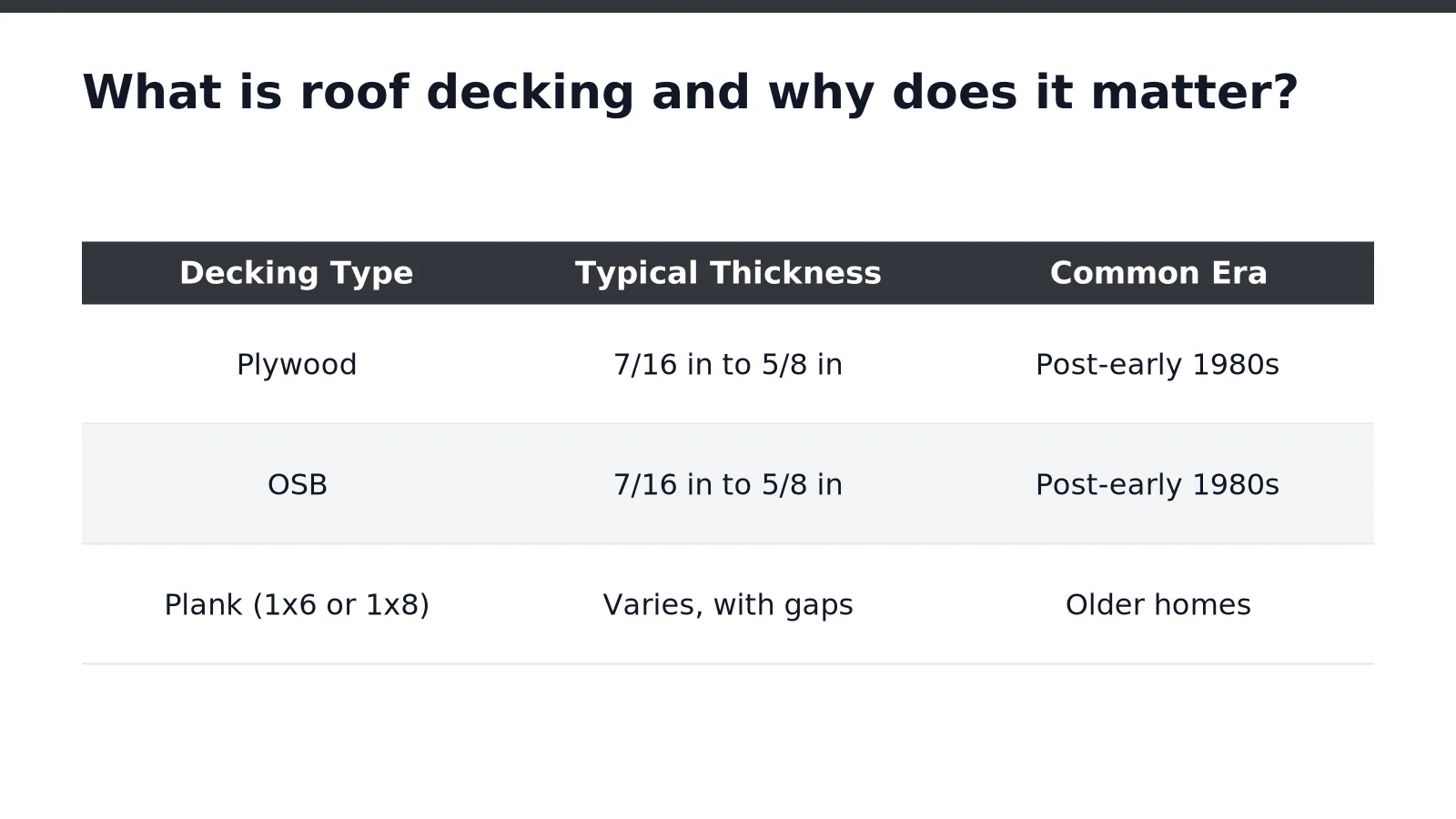
Roof decking materials vary depending on the home's age, design, and manufacturer specifications. Common types include plywood, oriented strand board (OSB), and plank decking made of 1x6 or 1x8 boards with visible gaps. Decking thickness, required span, and support depend on the roof assembly and manufacturer instructions.

Decking TypeTypical Thickness and CharacteristicsCommon Usage
PlywoodVaries; thickness depends on assembly requirementsWidely used in modern homes
OSBVaries; thickness according to design specsCommon in many new constructions
Plank (1x6 or 1x8)Thickness and gaps varyOlder or historic homes

Why does hidden deck damage matter during a roof replacement?
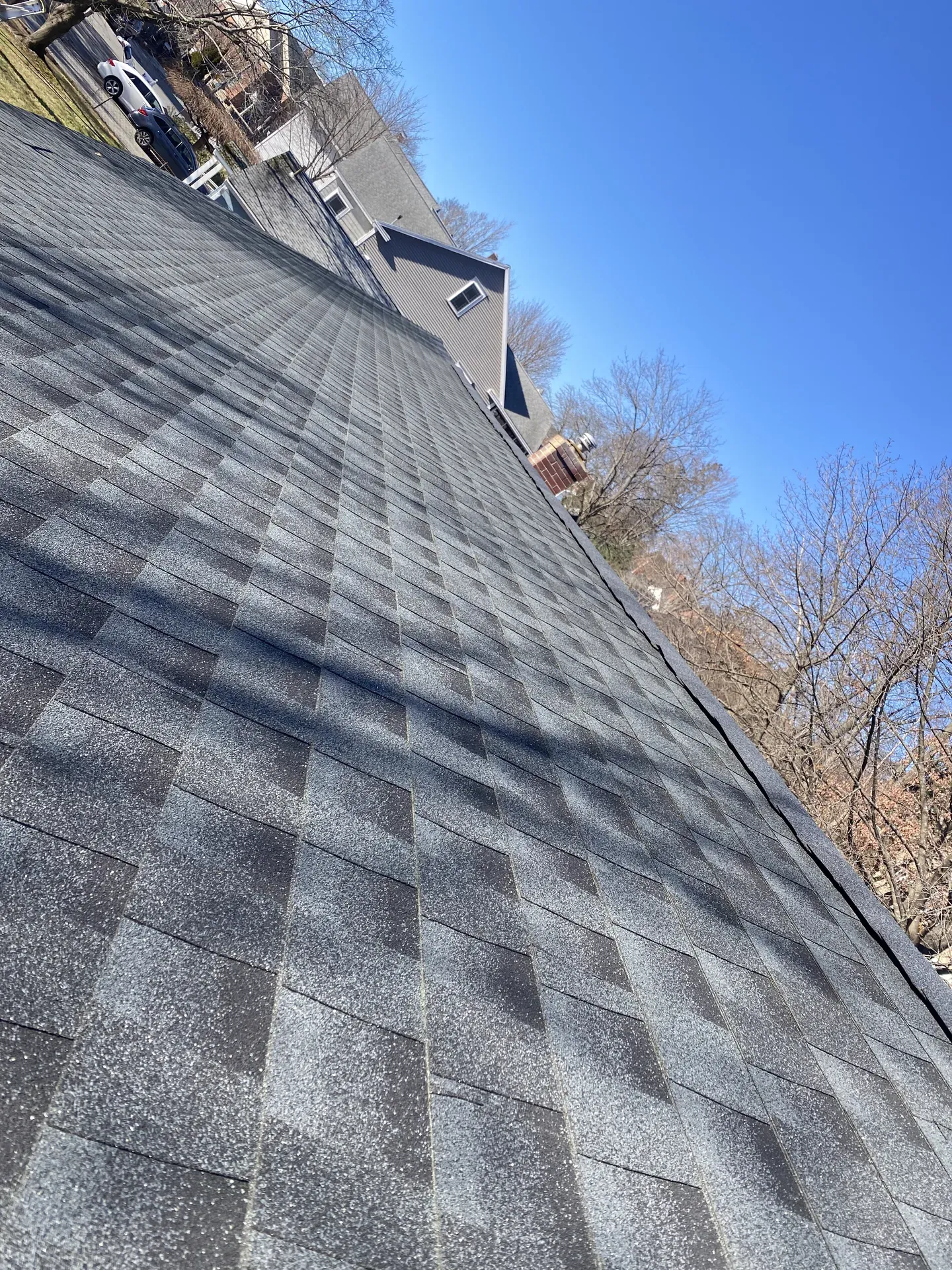
A roof replacement estimate usually describes the visible roofing system components such as shingles, flashing, ventilation, and disposal. However, the condition of the decking beneath remains partially concealed until installation begins. Damage such as rot around chimneys, water damage under old valleys, and soft spots near ice dam zones are sometimes discovered during tear-off. Understanding these potential changes in project scope helps homeowners prepare for decisions that may arise once concealed decking damage is uncovered.

Merrimack Valley Roofing | What to Do When Damaged Roof Decking Replacement Is Needed

How is damaged roof decking discovered during replacement?

Damaged roof decking is often uncovered as the old shingles and roofing materials are removed during tear-off. The deck lies beneath all visible layers, so thorough inspection prior to tear-off is limited. While some damage can be identified during pre-work inspections, including attic walkthroughs and roof surface observations, many issues only become apparent after shingles are removed.

Signs like ceiling stains or discolorations, and a musty odor may prompt further investigation but are not definitive proof of decking failure. Such indicators highlight areas that warrant attention but do not solely determine the extent of deck replacement needed.

What does an attic inspection reveal before tear-off?

Pre-tear-off attic inspections can identify areas of concern by noting discoloration on sheathing, odors, or signs of moisture. Wood that is indicated to be weaker or compromised by these observations suggests potential decking issues. This information helps prioritize areas for closer examination once tear-off begins.

What happens once the old roofing is removed?

Tear-off exposes sections of the deck that were not accessible or visible during pre-work inspections. Areas with softness, delamination, or waterlogging may become visible. Professional roofing personnel often use probing tools to assess decking integrity. Solid decking offers firm resistance, while compromised decking may feel spongy or unstable. Sections appearing unsuitable for re-use are noted for replacement.

Homeowners are encouraged to request documentation of any findings, including photographs and measurements, and a written scope change or detailed estimate before replacement work proceeds. This documentation supports transparency and enables informed decisions. Documentation also assists with insurance claims and ensures thorough understanding of the project scope if hidden deck damage emerges during the job.

When can decking be reused and when must it go?

Decking may be reused when it remains solid, dry, and capable of securely holding fasteners. Replacement is generally necessary if the decking is soft, delaminated, or waterlogged, or otherwise unsuitable per design and manufacturer instructions. The decision about whether to reuse or replace affected decking typically occurs after old shingles are removed and before new materials are installed.

Because damaged roof decking often lies beneath shingles that appear sound from the ground, assessment after removal is crucial. Years of exposure to condensation or slow leaks can weaken plywood or OSB sections, changing the scope of needed work. Project estimates or contracts may need adjustment when unexpected decking replacement is required. Asphalt shingles or other roofing materials can obscure such damage from visual assessment before tear-off.

Why is decking sometimes priced separately from shingles?

Decking replacement costs may be quoted separately or included within the overall roofing contract, depending on the contractor and contract terms. Since the deck condition cannot be fully determined until tear-off, pricing allowances, unit pricing, or separate line items may be used to address possible decking repairs. Homeowners should inquire about how decking replacement is handled in their roofing estimate and discuss how costs will be determined and adjusted if needed.

What must happen before a damaged decking panel is replaced?

Before replacing any damaged deck panels, it is essential to identify and address the source of moisture causing damage and assess the structural framing beneath. Simply replacing rotted decking without fixing the underlying cause is likely to result in recurring issues. A thorough evaluation by a professional is recommended, and a written estimate should be provided prior to scheduling repairs.

Reusable decking generally includes panels that are flat, free of significant mold or decay, and able to support fastening as required. Decking that is spongy, delaminated, crumbling at edges, or compromised in other ways may require replacement. Local building codes, manufacturer instructions, and roofing system requirements govern the criteria for decking suitability. A clear, detailed estimate that outlines any decking replacement shows unit costs and helps avoid surprises after tear-off.

What does roof sheathing replacement cost and how is it handled?

The cost of roof sheathing replacement varies with the total area of decking uncovered, the extent of damage, and other factors such as framing repairs, roof access, materials, and weather conditions. Estimates are typically provided after on-site inspection, and costs may be included in or separated from the roofing contract based on specific agreements.

Homeowners should expect that comprehensive evaluation and written estimates occur before work is scheduled. Additional decking repair can extend the timeline, depending on how much damage is found and the other conditions on the job.

How does unexpected decking damage affect project handling?

If unexpected damaged decking is found, work should pause so the findings can be documented and discussed with the property owner. Photographs and details about how many sheets or sections need replacement help inform decision-making. Homeowners should expect to review and approve any change order or updated estimate before additional decking work begins, ensuring transparency and clarity regarding additional costs and scope.

What happens to the project schedule when decking replacement is needed?

The impact on project timing varies depending on the extent of decking damage, condition of framing, roof access, availability of materials, and weather factors. Small repairs may add minimal time, while widespread damage or structural concerns can extend the project by days or more. Planning for these variables is important to manage homeowner expectations and ensure quality workmanship.

How does a written change order protect homeowners?

A written change order transforms unexpected verbal discussions about additional work into a clear, documented agreement. Because roof decking is a critical structural component hidden beneath shingles, replacing weakened sections may be necessary before new roofing materials can be installed. This discovery often occurs after tear-off. The change order clearly defines the scope and cost of decking replacement before work on that damaged area proceeds.

Without a change order, homeowners risk disputes over final billing or surprises regarding the extent of work completed. Professional contractors typically provide comprehensive estimates before work begins, with adjustments through change orders if new conditions are uncovered during the project.

What information does a change order include?

An appropriate change order lists key details: 1) the specific sheets or boards slated for replacement, 2) the types and thicknesses of materials being installed, and 3) the additional labor and disposal costs. Clarity in language and itemization helps ensure mutual understanding and prevents ambiguity.

Does warranty coverage automatically apply to replaced decking?

Warranty coverage for decking and the new roof varies depending on the selected roofing system, eligibility criteria, the quality and nature of work performed, and the written terms of warranty documents. Merrimack Valley Roofing offers a manufacturer-backed lifetime guarantee and a 14-year materials and service warranty, and which terms apply depends on the selected roof system and the written warranty documents. A change order documenting decking replacement supports warranty claims by establishing the work performed but does not by itself guarantee coverage. Homeowners should verify warranty details with their installer and manufacturer.

FAQ

What happens when damaged roof decking is found during a roof replacement?

Work typically pauses while the damaged decking is documented, including photographs and details, and a written estimate for replacement is provided. This process ensures that homeowners can make informed decisions before repairs proceed.

How is damaged roof decking discovered?

Damage to roof decking commonly remains hidden until the old shingles are removed during tear-off. While some damage may be detected through attic inspections or signs such as ceiling stains or odors, complete assessment often requires direct examination of the deck after tear-off. Common decking materials include plywood, oriented strand board (OSB), and plank boards, with thickness and characteristics varying by assembly.

Conclusion

When tear-off exposes damaged decking, the appropriate approach involves pausing work, documenting the damage, and obtaining homeowner approval through written change orders before proceeding. This approach helps protect the homeowner's budget and provides clarity on warranties. Recognizing that the most comprehensive inspection occurs during tear-off allows all parties to navigate the roofing project with greater understanding and fewer surprises.