

Key Takeaways
Trapped heat can raise shingle temperature, potentially accelerating asphalt aging and possibly affecting manufacturer warranties depending on cause and product.
Moisture may condense on cold roof decks, leading to sheathing issues and mold growth that can impact insulation.
Tear-off provides an opportunity to inspect decking, revealing moisture or rot damage linked to ventilation or other factors.
Proper intake and exhaust vents help regulate attic temperature closer to outside air, which can mitigate ice dam risk when combined with good air sealing, insulation, and roof design.
Why does attic ventilation matter for a new roof?
How does poor ventilation affect a new roof?
What about ice dams in New England winters?
Intake vents at the eaves draw in outside air.
Exhaust vents at or near the ridge allow warm, moist air to exit.
Combined, these vents aim to promote airflow in vented attic assemblies.
Can I add ventilation after the roof is installed?
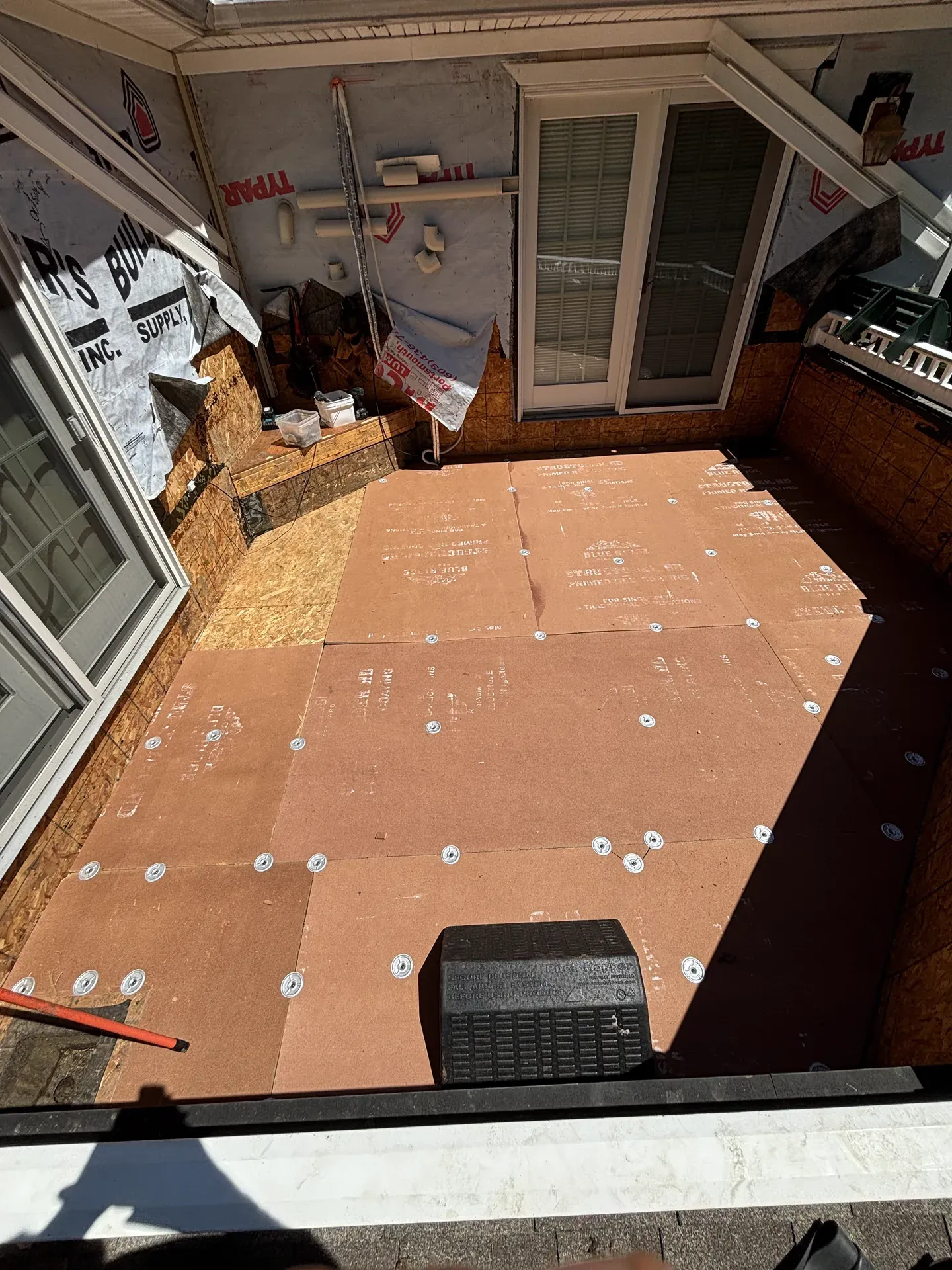
What happens when attic ventilation is ignored?
What are the early warning signs of poor attic ventilation?
How does ignored ventilation lead to bigger roof problems?
Moisture or mold accumulation can damage roof deck and insulation
Ice dams may form when warm attic air melts snow that refreezes at eaves, alongside other factors
Visible signs like peeling paint or warped shingles suggest potential heat and moisture issues
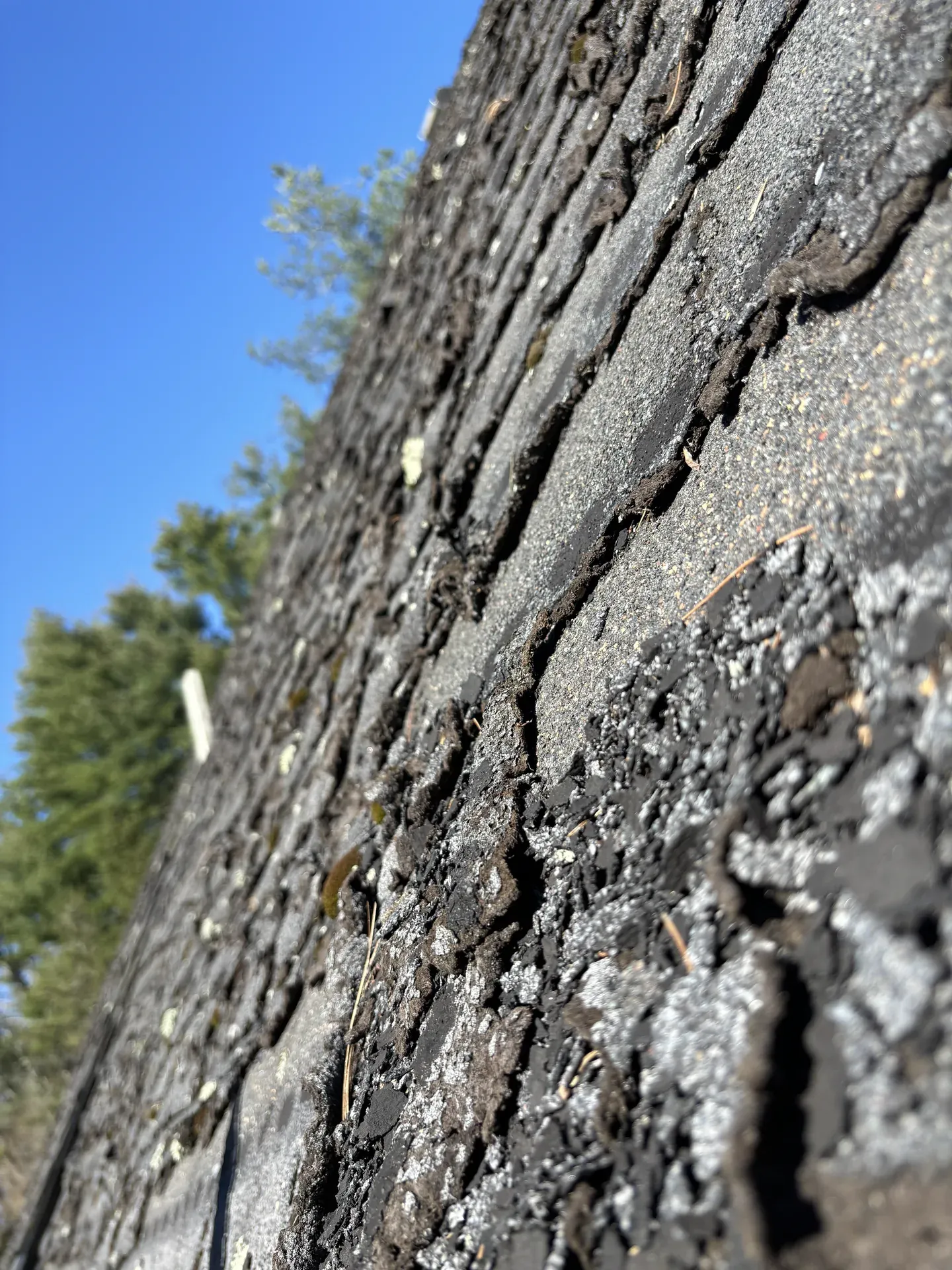
How does a roof replacement expose ventilation problems?
What hidden damage shows up during tear-off?
Why is replacement the right time to fix ventilation?
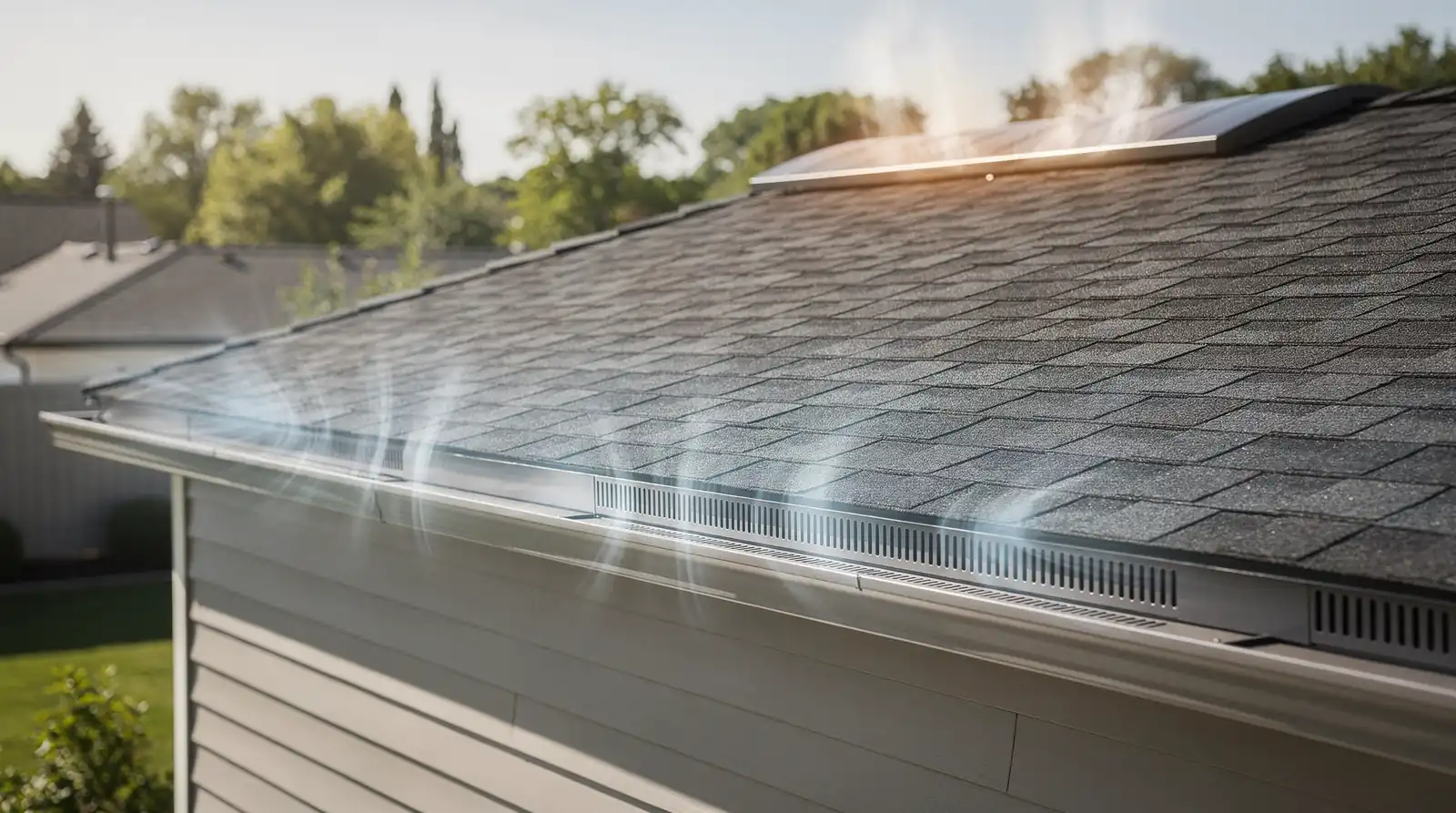
What is the difference between intake and exhaust roof ventilation?
How do intake vents work?
How do exhaust vents work?
Vent Type | Location | Purpose |
|---|---|---|
Intake | Soffit or low roof sections | Admits outside air into attic |
Exhaust | Ridge or high roof areas | Releases warm, moist air from attic |
Does building code require attic ventilation during reroofing?
What do local inspectors look for?
Does attic ventilation matter more during a roof replacement?
Permitting: Verify requirements and ventilation standards with local building authorities.
Manufacturer Instructions: Follow product-specific ventilation and installation guidelines for warranty compliance.
Planning: Document a balanced airflow path in the proposal to ensure clarity and proper installation.
How does ventilation affect shingle warranty coverage?
Why do manufacturers tie warranties to ventilation?
What does proper intake and exhaust roof ventilation actually require?
Warranty Layer | What It Covers | What Can Affect Coverage |
|---|---|---|
Manufacturer lifetime materials | Shingle defects and premature failure per product terms | Non-compliance with manufacturer installation and ventilation requirements |
14-year materials and service warranty by Merrimack Valley Roofing | Coverage described in the 14-year materials and service warranty | Check the written exclusions, maintenance duties and claim process |
Can insulation fix ventilation problems on its own?
What happens when airflow is blocked but insulation is fine?
Does a roof replacement fix both at the same time?
What should you ask your roofer about ventilation?
What belongs in a ventilation proposal?
Attic zones to be vented and those sealed
Net free ventilating area calculations required for the roof
Existing soffit intake conditions and verification of openness
Specific exhaust products, their locations, and quantities