Roof Leaks in Wind-Driven Rain

Home » Blog » Roof Leaks in Wind-Driven Rain
Merrimack Valley Roofing | Roof Leaks in Wind-Driven Rain

Wind-driven rain pushes water sideways and upward, forcing it under shingles and flashing that would stay dry in a calm storm. In regions like Southern New Hampshire, nor'easters often produce these conditions. Finding where the water gets in takes a hands-on inspection, and that is where most roof repairs start.

Key Takeaways

  • Wind-driven rain pushes water sideways and upward, forcing it under shingles and flashing that can stay dry during calm storms.
  • Small flashing gaps or worn boots may contribute to leaks when combined with wind pressure and heavy rain volume.
  • Flashing around chimneys, skylights, valleys, and penetrations can be vulnerable but failure order is not fixed; shingles can also be affected.
  • Water typically follows the path of least resistance along roof decking, rafters, or insulation before entering the living space.

Why does my roof leak only during heavy wind driven rain?

A roof leak heavy rain event with high wind is different from a typical leak. Wind-driven rain moves horizontally and even upward, pushing water against shingles, flashing, and vents from angles roofing systems are not generally designed to resist. This lateral force contributes to the unpredictability of these leaks.

For example, during a nor'easter passing through areas like Southern New Hampshire and the Merrimack Valley, steady vertical rain might not cause any leaks, with gutters managing the runoff effectively.

When the same kind of storm brings strong gusts, water can get in where it never did before. Homes that stay dry in normal rainfall may show water stains or dripping only during windy storms.

What makes wind-driven rain so much harder on a roof?

Roofs are designed for water to flow downward from ridges to eaves, with shingles overlapping to shed water. This system works well for vertical rainfall. Wind alters this by driving rainwater under shingle laps, past flashing, and against the roof slope in directions not intended for shedding water. A shingle that performs perfectly under vertical rain may allow moisture penetration when wind pressures force water underneath at unusual angles.

Is this a volume-dependent leak?

Often, leaks during wind-driven rain storms depend on both volume and direction of water. A volume-dependent leak is one where a weak spot handles light rain but gets overwhelmed when heavy rain and wind pressure arrive together. Small gaps in flashing or worn pipe boots may allow water infiltration only under these combined stressors. These conditions do not occur with every storm but require enough rain, sufficient wind, and the appropriate direction.

Experience in roofing the Merrimack Valley indicates that wind driven rain roof leaks may appear random but are often linked to existing weak points. The issue may not be shingles alone but also flashing or the seals around chimney or vent penetrations. Wind-driven rain finds these vulnerabilities and allows water to follow through.

Visual inspections after windy storms are important. If interior stains occur only under these specific conditions, it suggests the roof might be signaling localized weakness or system aging. Recognizing signs of roof replacement in MA helps in evaluating whether the problem is isolated or indicative of broader deterioration.

Merrimack Valley Roofing | Roof Leaks in Wind-Driven Rain

What parts of the roof fail first in a wind driven rain roof leak?

Flashing, valleys, penetrations, and shingle edges are all common areas to inspect for wind driven rain roof leaks. Water pushed sideways by wind can enter through seams and penetrations that are not typically affected by gravity-fed rain. However, the failure order is not fixed and can vary by situation.

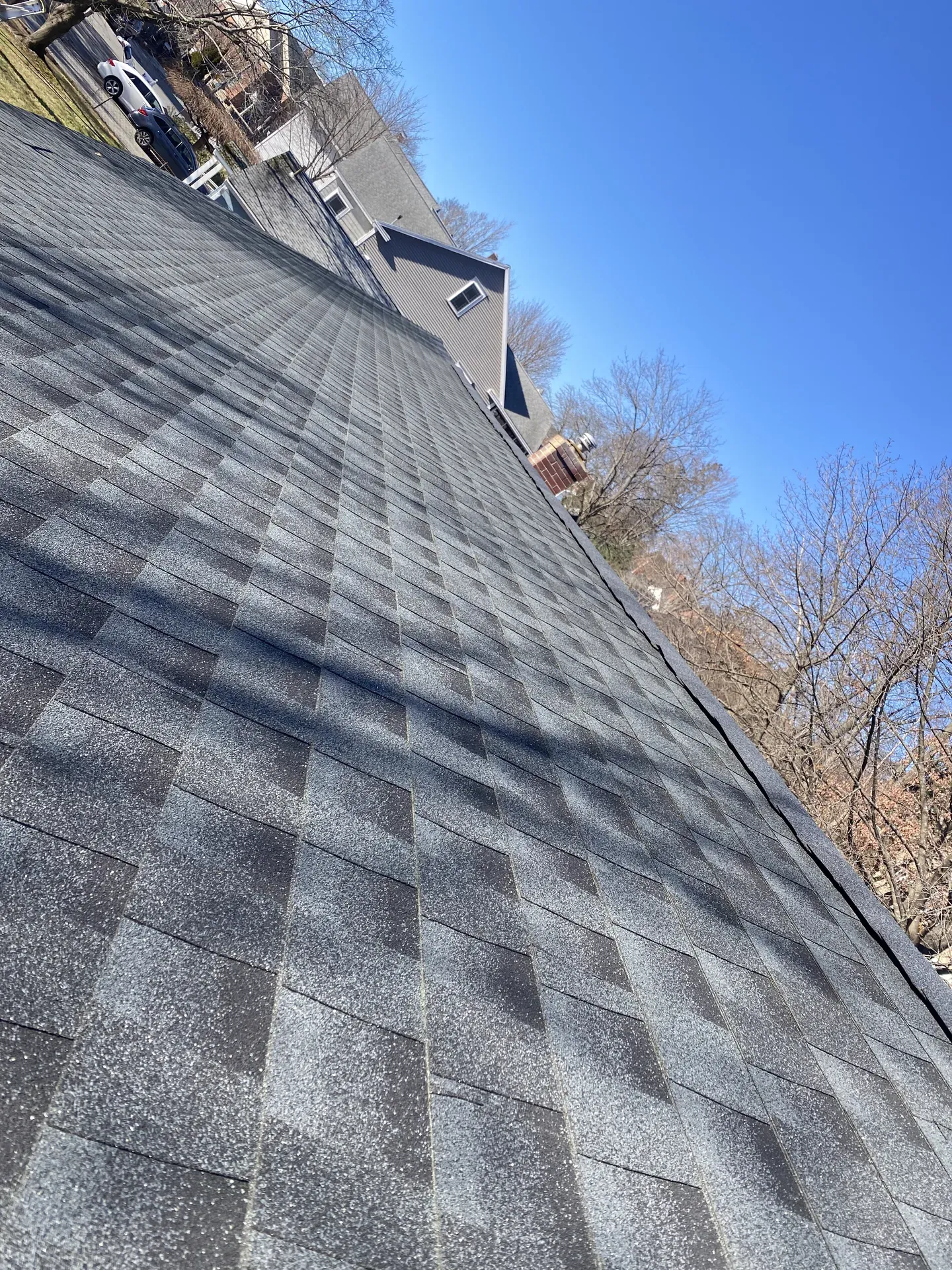
Patterns seen in regions like Southern New Hampshire show shingles often appear intact even when leaks occur. The exact source may be elsewhere in vulnerable roof details.

Why can flashing be vulnerable?

Flashing refers to the metal trim around chimneys, skylights, and vent pipes. While flashing handles light rain well, wind-driven rain applies horizontal force that can drive water under flashing edges which remain dry under vertical rain conditions. Once moisture gets behind flashing, it can travel along the roof deck towards interior spaces.

What about valleys and pipe penetrations?

Both valleys and penetrations generally perform well under light rain. However, when high volumes of water combine with strong winds, these areas may face challenges. For example, valleys that channel water during gentle rains may become overwhelmed during heavy storms. Similarly, seals around pipe boots may fail under pressure from wind-driven rain. These failures are influenced by volume and condition, not solely by wind.

Inspection typically focuses on these areas:

  • Flashing around chimneys and skylights
  • Valleys where roof planes converge
  • Penetrations such as vent pipes and exhaust stacks
  • Shingle edges along rakes and eaves

Merrimack Valley Roofing is a GAF Master Elite installer for shingle roofs and a Carlisle certified installer for commercial EPDM and flat roof systems. Those certifications come with manufacturer installation requirements, and flashing and sealing details are where they matter most. Poor flashing or sealing can cause leaks on a roof of any age.

Merrimack Valley Roofing | Roof Leaks in Wind-Driven Rain

Why does the ceiling stain show up far from the actual leak?

Water travels once it penetrates a roofing system. A roof leak heavy rain event may allow moisture through a breach, but water rarely drips straight down beneath the entry point. Instead, it moves along the path of least resistance such as roof decking, rafters, or insulation before ultimately appearing in living spaces. For instance, a stain on a bedroom ceiling may originate from a puncture located many feet away on the roof.

That is what makes these leaks hard to find. They show up in some storms and not others, so homeowners often assume the problem fixed itself.

How does wind affect water entry and stain location?

Roof leaks when wind blows rain differ from typical leaks because wind direction can vary, pushing water under shingles and flashing differently during each storm. As a result, the visible stain might appear in one interior location during one storm and elsewhere during another. The stain location does not reliably indicate wind direction or precisely where water entered.

Why do stains appear only during certain storms?
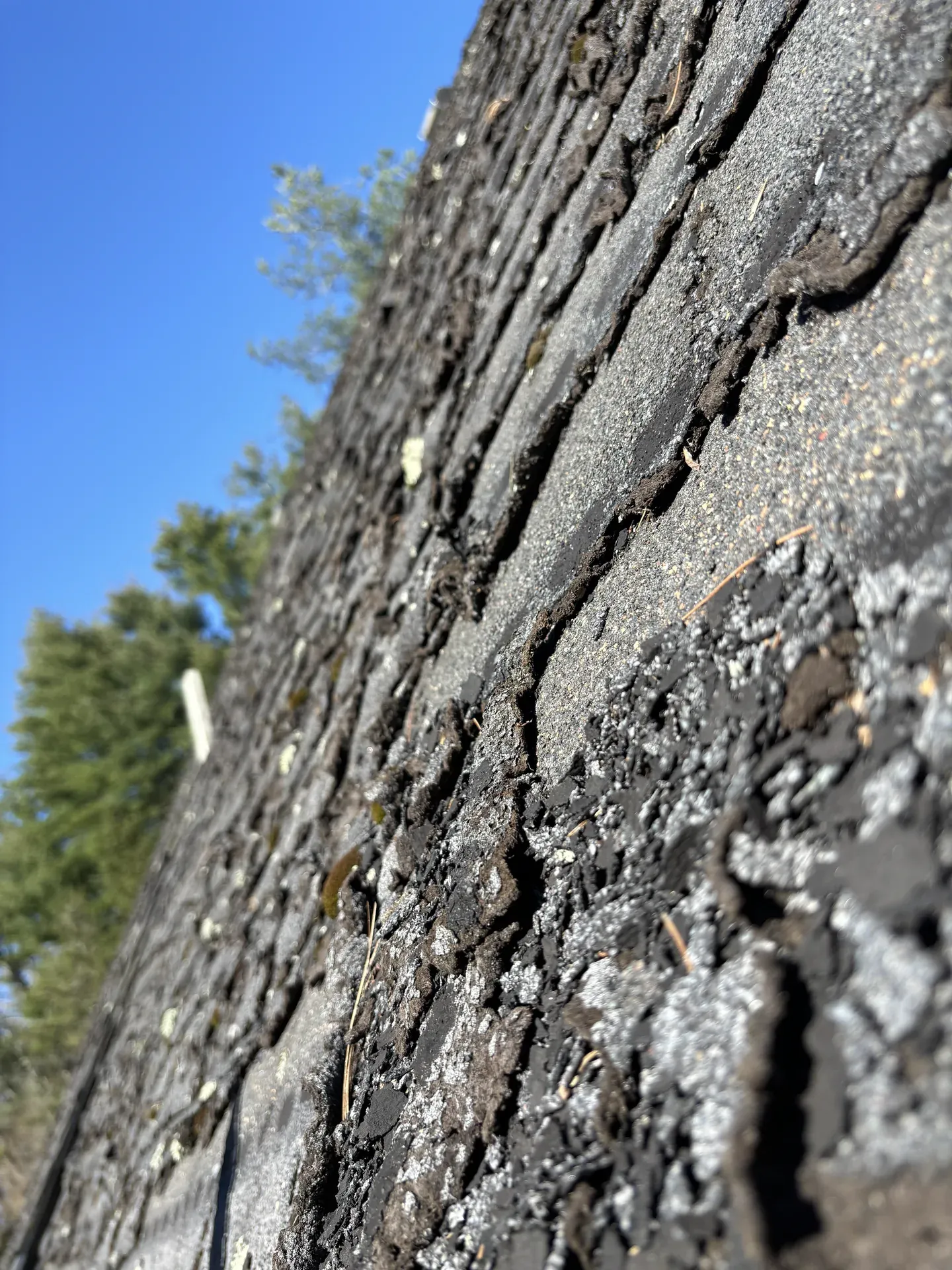
Leak visibility often depends on water volume and wind conditions. Areas that withstand light rain may become overwhelmed during heavy downpours combined with strong winds, activating previously hidden leaks. Stains may thus appear sporadically, reflecting the confluence of these factors rather than changing roof conditions.

Property inspections conducted by trained professionals involve examining accessible areas of the home during and after storms. These inspections may include observing water stains, but safe roof or attic investigations require expertise and equipment due to hazards such as slippery surfaces and electrical risks. The visible stain indicates where water ended but locating the source involves assessment of multiple possible entry points.

Merrimack Valley Roofing | Roof Leaks in Wind-Driven Rain

How can I safely check for signs of a wind driven rain roof leak?

Initial observations can be made safely from accessible living spaces and the ground. A wind driven rain roof leak often leaves clues visible to trained professionals.

What signs do professionals look for?

  • Dark streaks or water rings on the underside of the roof deck
  • Damp insulation, especially near gable ends and eaves
  • Light penetration through gaps where shingles may be lifted
  • Rust on exposed nail heads

These indicators help professionals evaluate potential leak sources. Stains that do not align with expected gravity patterns require careful interpretation, as internal water movement complicates identifying exact entry locations.

Is it safe to check the roof myself?

Generally, it is not recommended for homeowners to climb or walk on wet or wind-damaged roofs due to the risk of injury. Roofing professionals have specialized training and equipment to inspect roofing systems safely. This is especially important when materials are wet or electrical hazards are present.

If water is coming in now, call us. Merrimack Valley Roofing runs 24/7 emergency service for roof leaks and storm damage, because nor'easters do not wait for business hours.

Should I repair or replace a roof that leaks in heavy wind and rain?

Decisions on repair versus replacement depend on the comprehensive condition assessment of the roofing system. A roof leak heavy rain event can reveal weak points, but wind complicates understanding by forcing water entry in less typical ways. Each potential leak site must be evaluated in context.

Roof age is a factor informing inspections but does not alone determine repair or replacement. For example, a relatively new roof with a localized issue like a failed pipe boot may be repaired cost-effectively. Conversely, an older roof showing widespread granule loss, curling shingles, or multiple leaks on various slopes might warrant replacement. Each case requires careful evaluation of system condition and homeowner goals over the upcoming years.

What makes a wind-driven leak different from a regular leak?

A wind driven rain roof leak involves water entry facilitated by wind-driven forces pushing water in directions opposite to typical downward flow. Water infiltrates beneath shingle laps, behind step flashing, or through ridge vents in ways gravity-based leaks do not. Locating the source often requires expertise in understanding wind patterns and roof geometry, especially in areas like Southern New Hampshire where nor'easters are common.

How do we decide between repair and replacement?

Three primary considerations guide this decision:

  • Remaining service life of the roof based on overall condition.
  • Extent and spread of damage, such as localized versus widespread issues.
  • Owner’s objectives for the property over the next decade.

Written estimates outlining findings and options should be provided before any work is scheduled. This ensures informed choices without committing upfront.

We do not publish prices, because the number depends on what the inspection finds. Merrimack Valley Roofing backs its work with a 14-year materials and service warranty and a manufacturer-backed lifetime guarantee. Ask which terms apply to the work on your estimate, what would void them, and get both in writing before work starts. Our Carlisle certification covers commercial EPDM and flat roof systems, not every repair type.

Diagnostic inspections assess possible entry sites; locating and sealing the source can be complex and may not be guaranteed in advance. Merrimack Valley Roofing’s team provides professional assessments and retains 24/7 emergency services for urgent roof leaks and storm damage.

FAQ

Why does my roof leak only during heavy wind driven rain?

Wind-driven rain moves horizontally and upward, forcing water under shingles and flashing that may remain dry in calm conditions, resulting in leaks during specific weather patterns.

Is a wind-driven rain leak a sign of a bigger problem?

Small gaps or worn seals can allow leaks under high volume and wind pressure. Such vulnerabilities may exist prior to detection and emerge when conditions align.

Conclusion

Wind-driven rain exposes roofing weaknesses that may not be evident in normal weather, with ceiling stains providing visible evidence. Knowing the difference between a gravity leak and a wind-driven leak helps you describe the problem when you call. Homeowners are advised to arrange professional inspections to assess conditions safely and accurately before challenging weather returns.

Leak during the last storm? Get it checked

If a ceiling stain showed up after a windy storm, schedule a leak inspection with Merrimack Valley Roofing. A foreman will look at the roof, find the likely entry points and leave you a written estimate before any work is scheduled.