Comprehensive Guide to Commercial Roofing Solutions
Understanding the various commercial roofing solutions available is essential for property owners looking to make informed decisions. This guide will cover the different types of roofing systems, their benefits, and considerations to ensure you choose the right option for your property.
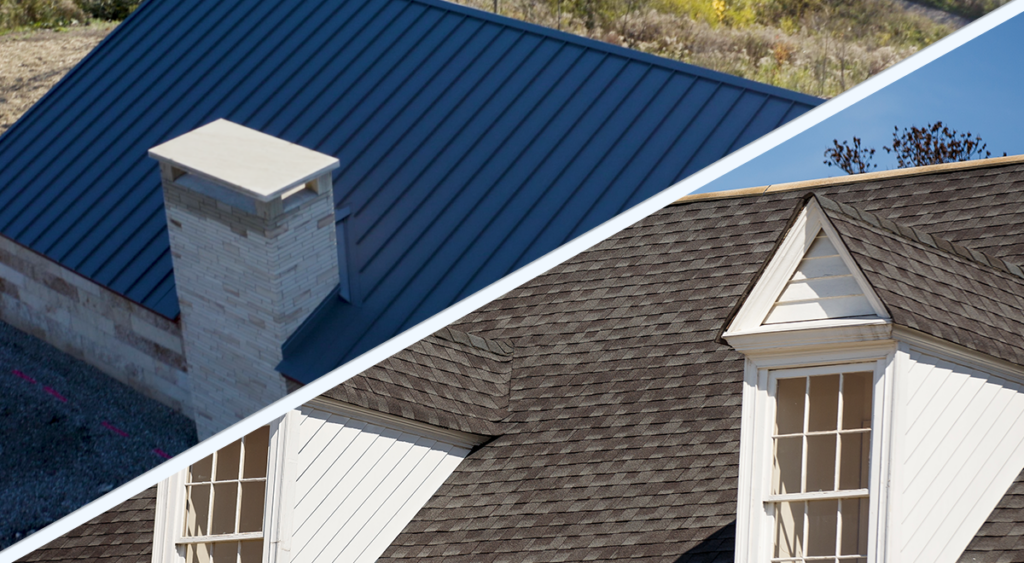
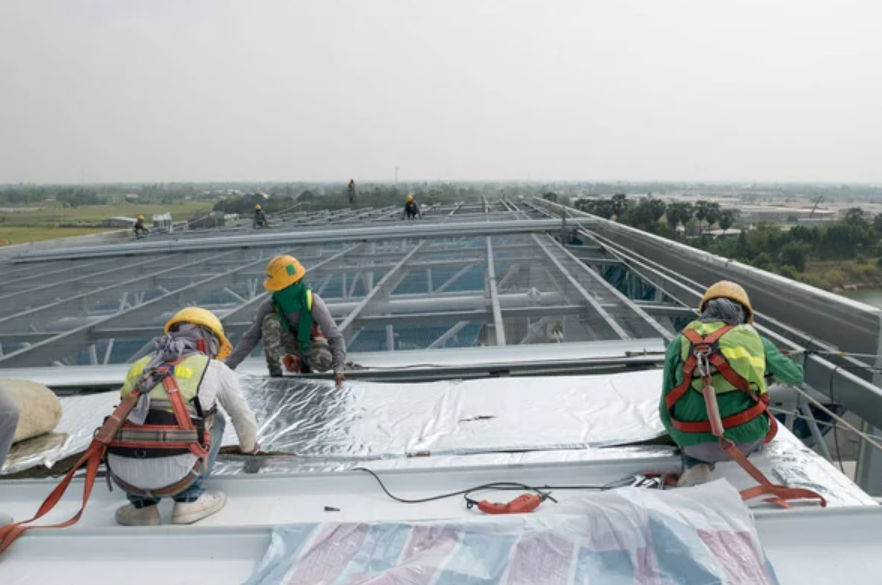
From traditional pitched roofs to modern flat roofing systems, each type offers unique advantages. For instance, flat roofs are often preferred for their cost-effectiveness and ease of maintenance, while pitched roofs provide better drainage and longevity. Evaluating your building's needs will help you select the best roofing solution.
The Importance of Roofing Inspections
Regular roofing inspections are crucial for maintaining the integrity and longevity of commercial roofs. These inspections can identify potential issues before they escalate, saving property owners significant costs in repairs and replacements down the line.
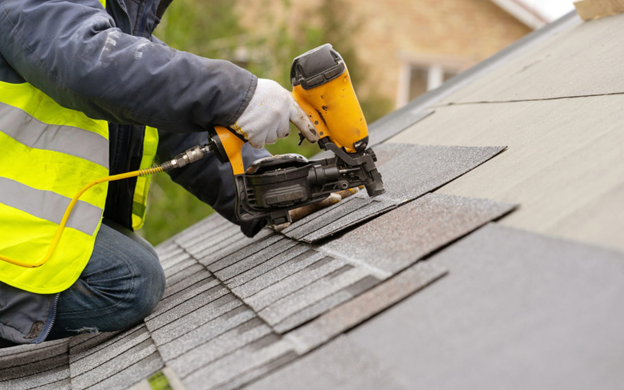
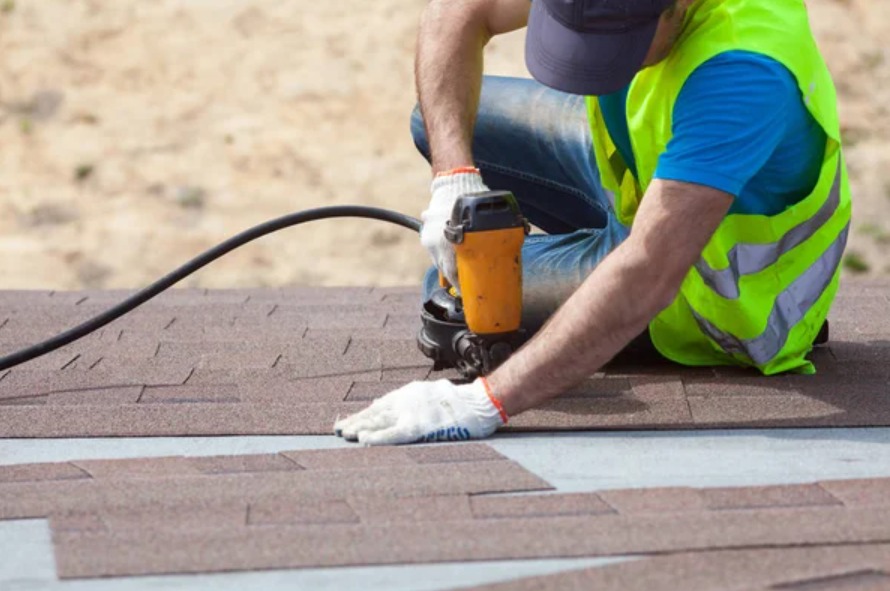
During an inspection, professionals will assess the roof's condition, looking for signs of wear, leaks, and structural damage. For example, a simple visual inspection can reveal missing shingles or cracked membranes, which, if addressed promptly, can prevent more severe problems and extend the roof's lifespan.
Understanding Commercial Roofing Materials
The choice of roofing materials plays a vital role in the performance and durability of a commercial roof. Property owners should familiarize themselves with the various materials available, such as TPO, EPDM, and metal roofing, each offering different advantages and disadvantages.
For instance, TPO is known for its energy efficiency and ease of installation, making it a popular choice among commercial property owners. Metal roofing, on the other hand, is highly durable and can withstand extreme weather conditions, making it an excellent long-term investment for businesses in New England.
Cost Factors in Commercial Roofing Projects
Understanding the cost factors involved in commercial roofing projects is essential for budgeting effectively. Costs can vary significantly based on materials, labor, and the complexity of the project, making it crucial to obtain detailed estimates from contractors.
For example, high-quality materials may lead to a higher upfront cost but can provide better durability and energy efficiency over time. Additionally, factors such as roof size, pitch, and accessibility will influence the overall cost, so it's essential to discuss these elements with your contractor to get a clear understanding of your investment.