Roof Ventilation at Replacement | Merrimack Valley Roofing

[wpseo_breadcrumb]

Merrimack Valley Roofing | Roof Ventilation at Replacement | Merrimack Valley Roofing

Attic ventilation deserves careful consideration before an asphalt-shingle roof replacement. Inadequate airflow in a vented attic can contribute to heat and moisture buildup, but roof condition and assembly design matter too. Reviewing the intake, exhaust and moisture-control details before work begins helps identify what the proposed roofing system needs.

Key Takeaways

  • Trapped heat can raise shingle temperature, potentially accelerating asphalt aging and possibly affecting manufacturer warranties depending on cause and product.

  • Moisture may condense on cold roof decks, leading to sheathing issues and mold growth that can impact insulation.

  • Tear-off provides an opportunity to inspect decking, revealing moisture or rot damage linked to ventilation or other factors.

  • Proper intake and exhaust vents help regulate attic temperature closer to outside air, which can mitigate ice dam risk when combined with good air sealing, insulation, and roof design.

Why does attic ventilation matter for a new roof?

Attic ventilation helps move heat and moisture out of the space beneath your roof deck. Without adequate ventilation, an asphalt shingle roof may age faster and underperform. The Asphalt Roofing Manufacturers Association explains that ventilation is a key factor in preventing premature shingle deterioration and roofing system issues. The new roof you install could experience accelerated aging if attic airflow is insufficient.

This situation occurs throughout Southern New Hampshire and surrounding areas. Homeowners may notice shingle curling or discoloration after a few years; the underlying causes can include trapped heat but also other factors such as installation quality or product selection.

How does poor ventilation affect a new roof?

Heat buildup in an inadequately ventilated attic can raise the temperature of shingles from below, potentially accelerating asphalt degradation. Manufacturers’ warranties consider ventilation requirements carefully, and coverage depends on whether the ventilation system meets those specifications and the documented cause of any failure.

Moisture can also accumulate in the attic from household activities. This moisture may condense on cold roof decks, leading to warping or mold growth that damages insulation or decking materials. Addressing ventilation during roof replacement—when decking is exposed—is an effective way to improve airflow and reduce related risks.

What about ice dams in New England winters?

Proper intake and exhaust roof ventilation help maintain attic temperatures closer to outside air, which reduces the potential for ice dam formation. However, ventilation alone does not prevent ice dams. Effective air sealing, insulation, indoor moisture control (such as proper bath exhaust), and roof drainage design are also critical factors.

Merrimack Valley Roofing has experience with local winter conditions and the complexities of ice dam formation. A well-designed ventilation system creates steady airflow from soffit vents (intake) to ridge or exhaust vents, but it must be part of a comprehensive whole-roof assembly design.

  • Intake vents at the eaves draw in outside air.

  • Exhaust vents at or near the ridge allow warm, moist air to exit.

  • Combined, these vents aim to promote airflow in vented attic assemblies.

It's important to recognize that different roof assembly types exist. This article describes ventilation approaches appropriate to vented attics. Properly designed unvented roof assemblies use different strategies and should not automatically have vents added.

Can I add ventilation after the roof is installed?
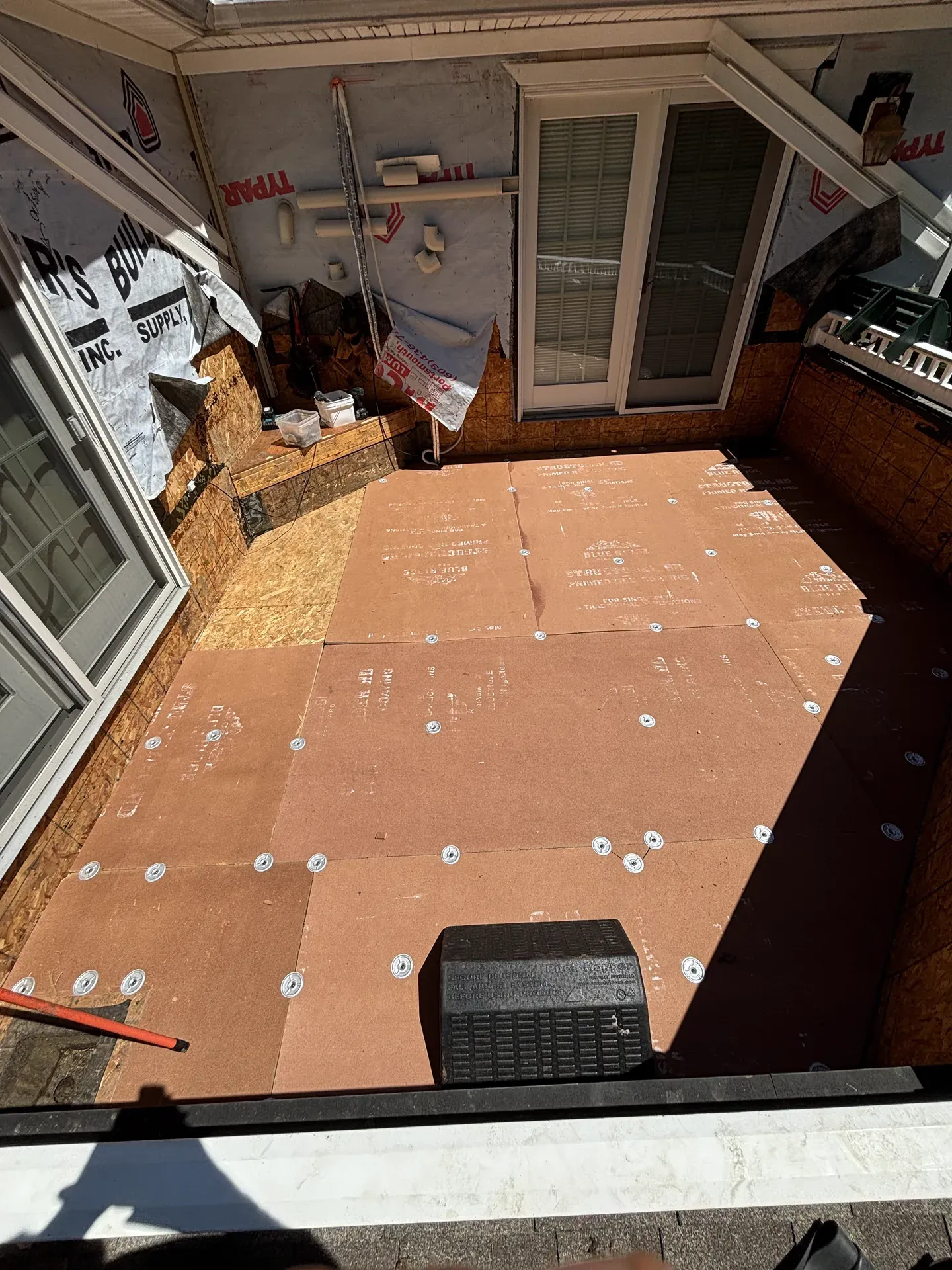
While retrofitting ventilation can be done, it is most efficient and effective during roof tear-off and replacement. At that time, decking and framing are exposed, making it easier to evaluate the attic zones and balance intake and exhaust vent areas in line with manufacturer instructions and local codes. Retrofitting later may be more complex and costly depending on roof design.

If ice dams or other damage have already occurred, consult with roofing and building professionals. Our ice dam prevention page offers educational guidance on mitigating risks based on airflow, insulation, and other factors.

Merrimack Valley Roofing | Roof Ventilation at Replacement | Merrimack Valley Roofing

What happens when attic ventilation is ignored?

Neglecting roof ventilation may contribute to moisture problems and mold accumulation in the attic, which can damage roof decking and insulation. However, these issues depend on multiple factors including air sealing, insulation condition, indoor moisture sources, and roof design.

Warm attic air melting snow contributes to ice dam formation when water refreezes at the eaves, but ventilation is only one factor. Proper attic insulation, air sealing, and moisture control are also necessary to minimize ice dam risk.

What are the early warning signs of poor attic ventilation?

Signs like peeling paint, mold, or warped shingles may indicate the presence of trapped heat or moisture, but these symptoms can have multiple causes. Professional evaluation is recommended to determine the exact issues.

How does ignored ventilation lead to bigger roof problems?

Moisture accumulation inside the attic can lead to mold growth and wet insulation, which reduces its effectiveness. Over time, this can affect decking integrity. Leaks or storm damage may then occur due to multiple interacting causes. It is important to consider attic ventilation as part of a holistic roof and home moisture management strategy.

  • Moisture or mold accumulation can damage roof deck and insulation

  • Ice dams may form when warm attic air melts snow that refreezes at eaves, alongside other factors

  • Visible signs like peeling paint or warped shingles suggest potential heat and moisture issues
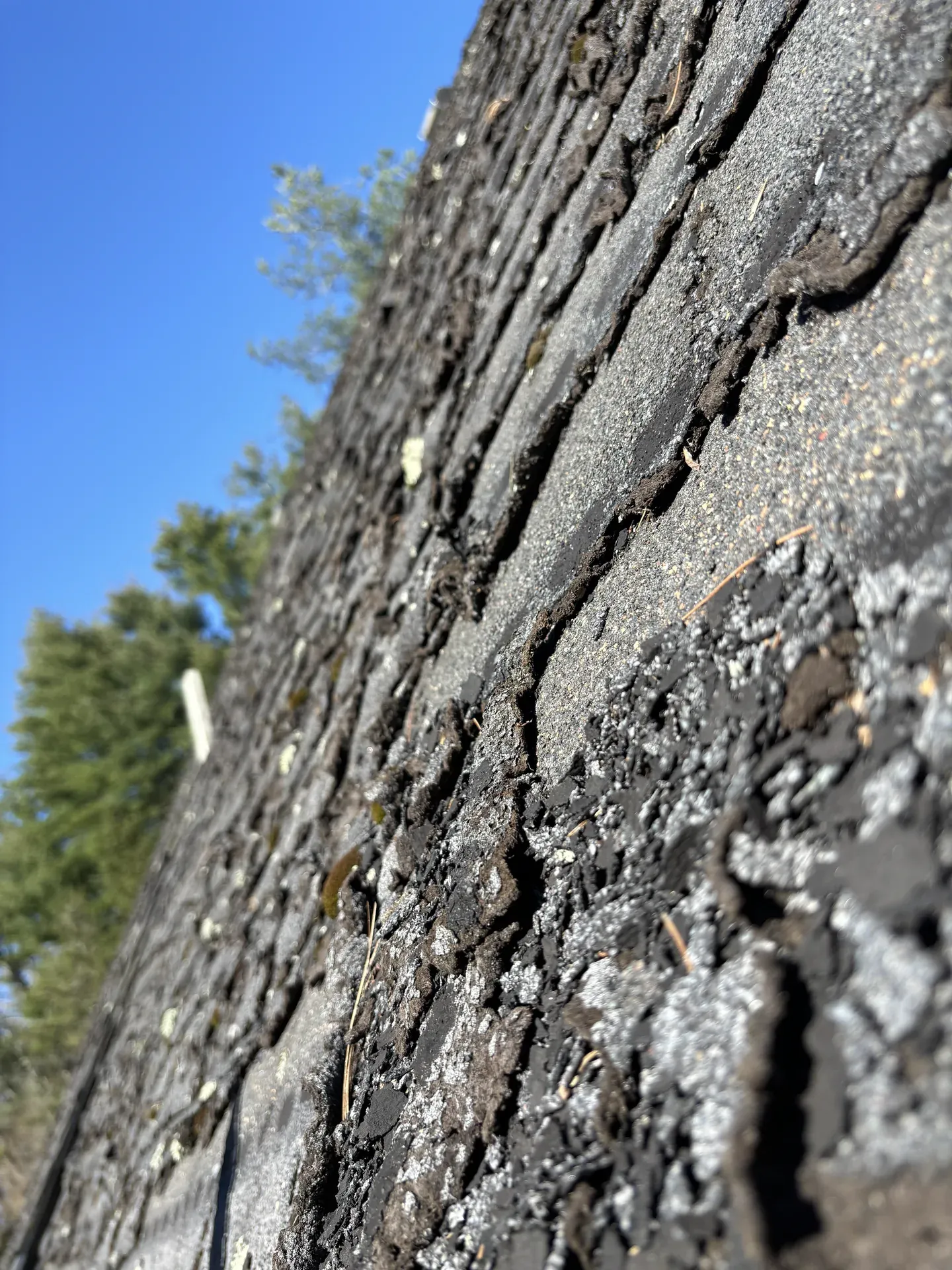
Ventilation issues can be identified during inspections alongside other roof warning signs. When leaks or damage occur, professional emergency services may be needed. Contact qualified roofing specialists for assessment and repair.

Merrimack Valley Roofing | Roof Ventilation at Replacement | Merrimack Valley Roofing

How does a roof replacement expose ventilation problems?

Replacing a roof uncovers underlying ventilation and moisture issues that might not be visible from the interior or exterior while the old roof is in place. Removing shingles exposes the decking, allowing inspection for rot, warping, or blackened areas that indicate chronic moisture problems.

Roof ventilation deficiencies may remain hidden behind finished roofing materials and insulation. A roof replacement is a practical opportunity to evaluate ventilation comprehensively, measuring existing vent locations and determining what is needed based on attic configuration, assembly details, and manufacturer guidance.

What hidden damage shows up during tear-off?

During tear-off, contractors may find rot, warped sheathing, or discoloration caused by prolonged moisture buildup. These issues can arise from inadequate intake and exhaust roof ventilation, but may also reflect other building envelope or moisture management problems.

Why is replacement the right time to fix ventilation?
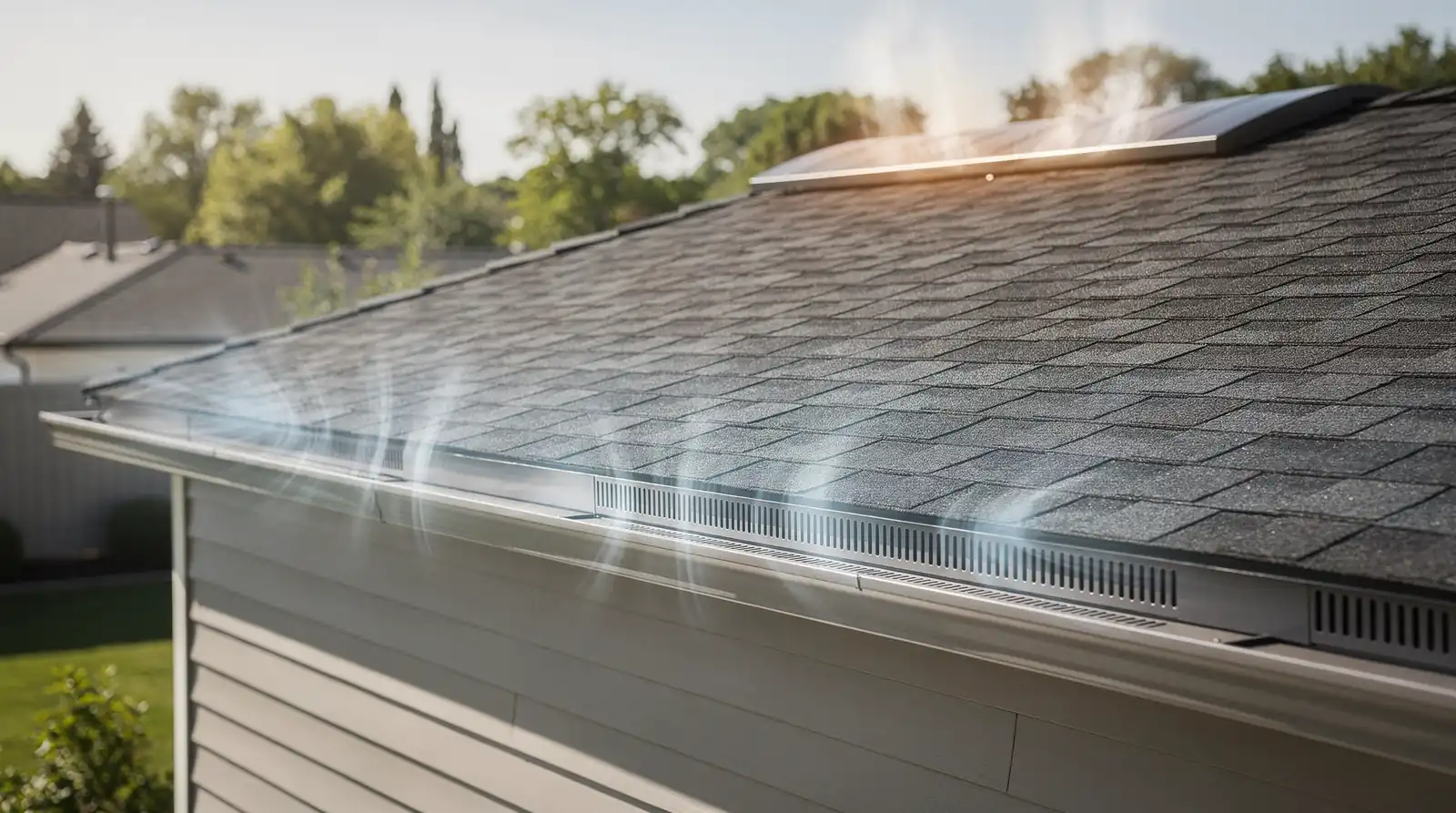
Coordinating a new ventilation plan with roofing replacement allows sizing and placement of ridge vents, soffit vents, or other ventilation components properly for the attic zones and roof structure. Adding vents after a new roof is installed may be more difficult and less effective.

Proper ventilation planning supports warranty compliance. An attic ventilation roof replacement performed without addressing airflow could lead to recurring issues depending on the cause and manufacturer terms. Estimates should include a ventilation assessment, detailing the airflow strategy and vent types to be used to ensure transparency.

Merrimack Valley Roofing | Roof Ventilation at Replacement | Merrimack Valley Roofing

What is the difference between intake and exhaust roof ventilation?

Roof ventilation relies on the principle that warm air rises. Intake vents admit outside air low on the roof or at soffits, while exhaust vents allow warm, moist air to exit high on the roof, such as near the ridge. Together, they promote airflow in vented attic assemblies.

The Asphalt Roofing Manufacturers Association describes natural attic ventilation as air flow facilitated by vent openings arranged to allow hot air to exit at the top as fresh outside air enters at the bottom. This process typically does not require fans or motors.

How do intake vents work?

Intake vents are installed at the soffits or low on the roof to permit cooler outside air to enter the attic space and replace warmer indoor air.

How do exhaust vents work?

Exhaust vents are placed along the ridge or other high points of the roof to allow warm, moist air to escape from the attic, reducing heat and moisture accumulation.

Here's an overview:

Vent Type

Location

Purpose

Intake

Soffit or low roof sections

Admits outside air into attic

Exhaust

Ridge or high roof areas

Releases warm, moist air from attic

A properly balanced system includes appropriate net free vent area on both intake and exhaust sides, in line with attic zones, roof design, manufacturer requirements, and local codes. Combining powered and passive exhaust vents is not always necessary or recommended; planning should follow specific design guidance.

Attic ventilation roof replacement is an ideal time to evaluate and implement these systems. During roofing replacement, the existing vent system can be assessed and coordinated with roofing materials to create a well-documented airflow path suited to the attic.

Does building code require attic ventilation during reroofing?

Building codes and permit requirements for attic ventilation during reroofing vary by municipality. Some jurisdictions require permits and inspection of ventilation during reroofing, while others may not. It is important to verify with the local building department what the specific requirements are for reroofing permits, inspections, and ventilation compliance.

Similarly, manufacturer warranty requirements may impose ventilation standards that must be met to maintain coverage. Consulting the roofing product manufacturer’s installation instructions and local building codes ensures compliance.

What do local inspectors look for?

Inspection requirements vary between municipalities. Inspectors often check that ventilation meets code and manufacturer specifications relative to the structure. Licensed and insured roofing contractors generally help navigate these requirements and obtain necessary permits.

Does attic ventilation matter more during a roof replacement?

Yes. A roof replacement exposes decking and attic access for thorough inspection and evaluation of ventilation. This lets contractors plan intake and exhaust components to function cohesively before installation of new shingles.

  • Permitting: Verify requirements and ventilation standards with local building authorities.

  • Manufacturer Instructions: Follow product-specific ventilation and installation guidelines for warranty compliance.

  • Planning: Document a balanced airflow path in the proposal to ensure clarity and proper installation.

Code and manufacturer guidance set minimum and recommended performance standards for ventilation.

How does ventilation affect shingle warranty coverage?

Poor or inadequate roof ventilation may affect shingle warranty coverage depending on the cause of shingle deterioration and manufacturer terms. The Asphalt Roofing Manufacturers Association identifies ventilation as a critical factor in preventing premature shingle deterioration and roof system failure, but warranty claims are evaluated case by case.

Seasonal issues such as shingle curling or discoloration can result from multiple causes, including ventilation. Manufacturer warranties include specific terms and conditions regarding ventilation and installation that must be followed to maintain coverage.

Why do manufacturers tie warranties to ventilation?

Because heat and moisture accumulation in an attic can accelerate asphalt shingle aging. Higher interior attic temperatures influence shingle performance over time. Manufacturers require ventilation systems meeting their specifications to reduce these risks and maintain warranty eligibility.

What does proper intake and exhaust roof ventilation actually require?

A balanced ventilation system sized and configured according to attic dimensions, net free vent area requirements, local codes, and manufacturer instructions. This typically includes soffit vents for intake and ridge or box vents for exhaust, properly matched to avoid airflow imbalance.

Merrimack Valley Roofing holds GAF Master Elite status, enabling us to offer manufacturer-backed lifetime materials warranties on asphalt roofing installations. Additionally, we provide a 14-year materials and service warranty. Both warranties depend on proper ventilation adhering to specified criteria.

Warranty Layer

What It Covers

What Can Affect Coverage

Manufacturer lifetime materials

Shingle defects and premature failure per product terms

Non-compliance with manufacturer installation and ventilation requirements

14-year materials and service warranty by Merrimack Valley Roofing

Coverage described in the 14-year materials and service warranty

Check the written exclusions, maintenance duties and claim process

Warranty details vary by product, system configuration, and eligibility. It is advisable to review specific warranty documents and terms prior to roofing work.

Before filing a claim, inspecting attic conditions and verifying ventilation per manufacturer guidance help clarify coverage prospects. Our roof maintenance checklist includes key inspection points. Ventilation is a critical component of warranty compliance, not an optional add-on.

Can insulation fix ventilation problems on its own?

No. Insulation and roof ventilation serve distinct roles. Insulation slows heat transfer between the living space and attic, while ventilation removes heat and moisture from the attic altogether. Simply adding insulation will not resolve blocked airflow or moisture buildup.

Think of insulation as a barrier like a sweater, and ventilation as fresh air flow through an open window. Without ventilation, insulation alone cannot prevent humidity or moisture accumulation in the attic. Both properly installed insulation and ventilation are necessary for a healthy roof system.

What happens when airflow is blocked but insulation is fine?

Attic temperatures can fluctuate dramatically, indicating ventilation problems. Clogged soffit vents or improperly installed ridge vents can prevent effective airflow. Insulation alone cannot moderate temperature swings or moisture accumulation caused by poor ventilation.

Does a roof replacement fix both at the same time?

Roof replacement offers a chance to coordinate ventilation with decking, underlayment, flashing, ridge caps and drip edge. Ask which ventilation work the roofing proposal includes. Air sealing or insulation changes may require a separate scope or the appropriate specialist. A properly designed unvented roof needs its own moisture-control plan.

A well-designed intake and exhaust roof ventilation system moves air through the attic, while insulation remains below the attic floor, working in tandem. Neglecting ventilation risks heat and moisture issues that degrade shingle longevity and system performance.

What should you ask your roofer about ventilation?

A thorough proposal should specify the ventilation plan prior to tear-off, detailing the vent types, locations, and estimated net free vent areas. Merrimack Valley Roofing conducts property walkthroughs to tailor ventilation plans to the attic's needs.

Roof ventilation issues can cause premature shingle failure, ice dams, and heat loss. Addressing them proactively saves costs and trouble long term.

What belongs in a ventilation proposal?

The proposal should include clear documentation on:

  • Attic zones to be vented and those sealed

  • Net free ventilating area calculations required for the roof

  • Existing soffit intake conditions and verification of openness

  • Specific exhaust products, their locations, and quantities

Does the estimate include an attic inspection?

Ask whether an attic inspection is included in the proposed scope, whether safe access is available, and what can be assessed before tear-off. Discuss existing soffit airflow, baffles and moisture sources with the roofer. Concealed or inaccessible areas may require further investigation as the project progresses.

Why does local experience matter for attic ventilation roof replacement?

Intake and exhaust roof ventilation performance depends on climate and local building practices. Our teams have experience across Southern New Hampshire, Northeast Massachusetts, and Southern Maine. We understand how local weather affects roof behavior and ventilation design, enabling us to tailor proposals accordingly.

FAQ

Should I review attic ventilation when replacing my asphalt shingle roof?

Yes. Inadequate airflow can contribute to heat and moisture accumulation, potentially shortening shingle life or causing deck issues. However, shingle curling, discoloration, mold, ice dams, and failures can result from multiple causes. Warranty claims depend on actual causes, product choices, and written terms.

When is the best time to fix attic ventilation?

During roof tear-off and replacement. At this stage, attic components are accessible for proper evaluation and balanced installation of intake and exhaust vents.

Conclusion

When replacing an asphalt shingle roof, ventilation is a critical aspect to consider. Properly evaluating and planning ventilation before tear-off supports shingle performance, warranty compliance, and attic health. Request a detailed written plan, have the attic inspected, and ensure the ventilation system is appropriate for your assembly before installing new shingles.

Merrimack Valley Roofing is a family-run roofing company based in Sandown, New Hampshire, and established in 1976. The company serves Southern New Hampshire, Northeast Massachusetts, and Southern Maine and is a GAF Master Elite installer. A foreman walks the property and provides a free written estimate before work is scheduled. Ask how the proposed roof system, ventilation plan and any concealed conditions will be handled in that scope. Manufacturer-backed lifetime guarantee and 14-year materials and service warranty coverage depend on the selected system, eligibility and written terms. Request an inspection to discuss your roof; 24/7 emergency service is available for active leaks and storm damage. Request a roof inspection