EPDM vs. TPO Flat Roofing | Merrimack Valley Roofing

[wpseo_breadcrumb]

Merrimack Valley Roofing | EPDM vs. TPO Flat Roofing | Merrimack Valley Roofing

By Daniel Grzyboski, Merrimack Valley Roofing

When choosing a flat roofing solution, the decision between EPDM (ethylene propylene diene monomer) and TPO (thermoplastic polyolefin) can have far-reaching implications for longevity, cost, and performance. This article explores the crucial distinctions and benefits of each roofing type, helping inform your choice by examining durability, cost-effectiveness, installation processes, and long-term performance. This guidance is especially valuable for building owners and contractors who prioritize both initial investment and lifecycle savings. By delving into material properties, challenges during installation, and maintenance tips, we will cover everything you need to know about flat roofing membranes. Ultimately, this will help you determine which option best fits your unique commercial roofing needs.

Comparison of EPDM and TPO Roofing Membranes for Flat Roofs

In comparing EPDM and TPO roofing membranes, it is essential to analyze several factors including durability, cost-effectiveness, installation processes, and long-term performance. Each material contains unique attributes that can profoundly affect a building's energy efficiency and overall lifespan.

Durability:

Merrimack Valley Roofing | EPDM vs. TPO Flat Roofing | Merrimack Valley Roofing

Durability is a critical aspect of roofing membranes. EPDM roofing is renowned for its flexibility and resistance to extreme weather conditions. The service life can vary significantly depending on system selection, installation quality, maintenance, and environmental conditions. EPDM exhibits strong puncture resistance and is less prone to cracking, making it suitable for environments with varying climates. In contrast, TPO is manufactured to reflect sunlight, providing durability against UV radiation and chemical damage. The expected service life depends on system design, membrane formulation, installation quality, and maintenance practices. For detailed roofing services, consider visiting roofing solutions.

Cost-Effectiveness:

When considering cost, pricing drivers depend on multiple factors including deck type, tear-off requirements, insulation type, membrane choice, attachment method, accessibility, and project-specific details. Because of these variables, upfront costs remain project-dependent, with neither EPDM nor TPO universally cheaper. Potential energy savings from TPO's reflective properties may be advantageous in warmer climates, potentially offsetting costs in some cases. Understanding lifecycle costs and maintenance requirements is crucial in determining the most cost-effective option for your roofing needs.

Installation Processes:

Merrimack Valley Roofing | EPDM vs. TPO Flat Roofing | Merrimack Valley Roofing

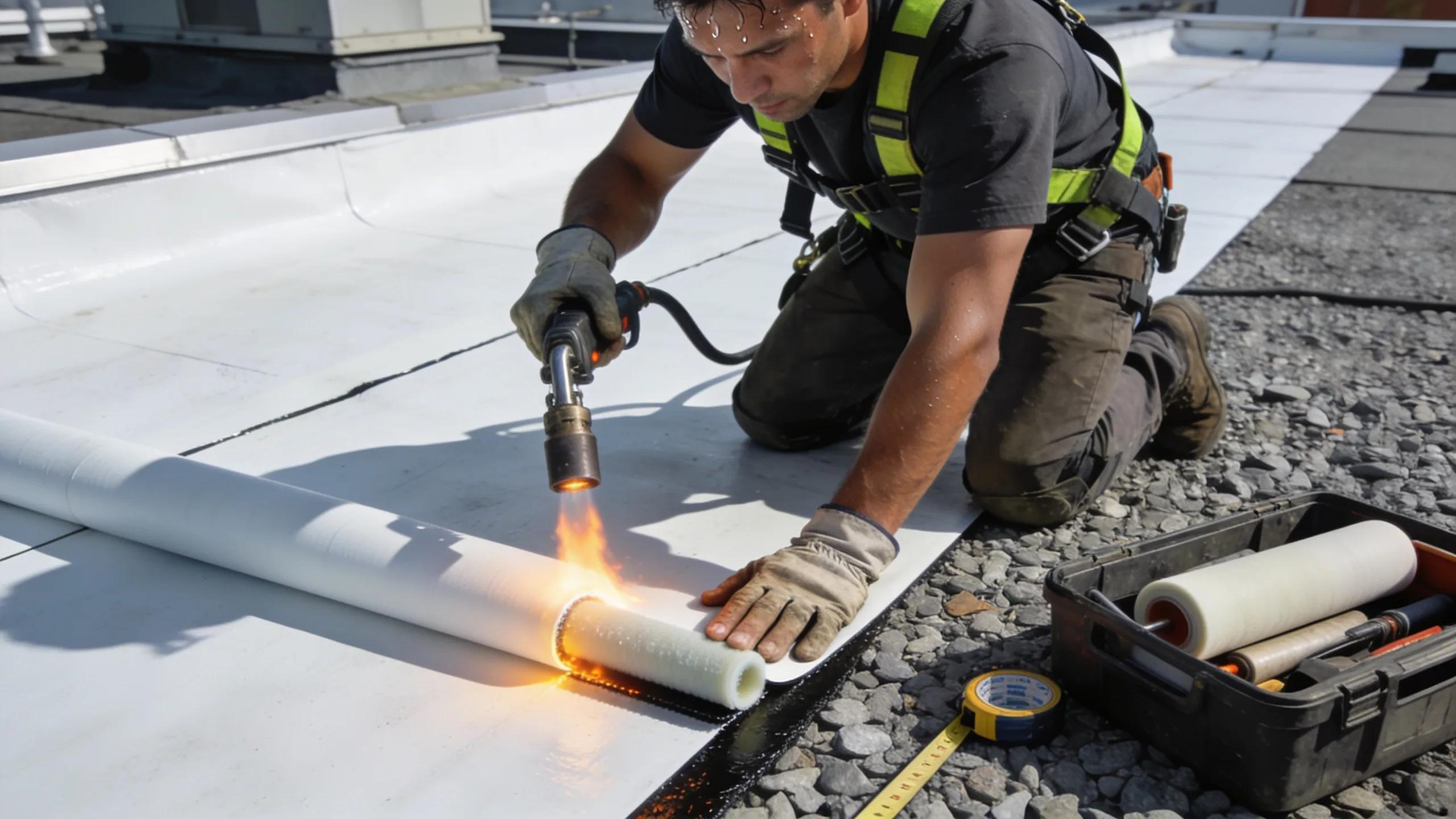
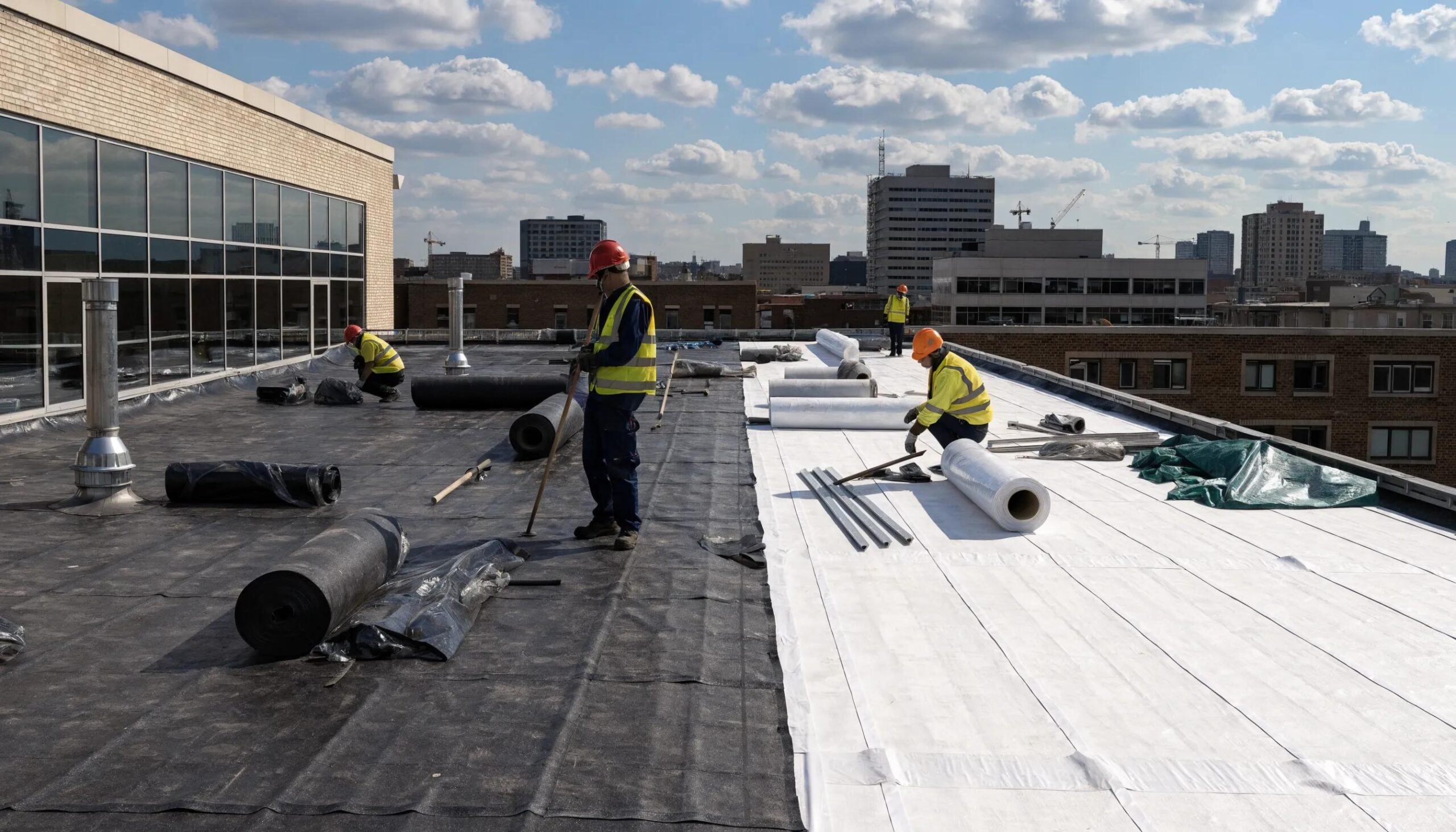
The installation processes for EPDM and TPO differ considerably but both require experienced installers to ensure quality. EPDM seams typically use compatible manufacturer-approved tape or adhesives, and large sheets can reduce the number of seams, minimizing potential leak points. TPO seams are heat-welded to create strong, watertight joints. Attachment methods for both membranes vary by selected assembly and can influence labor time and costs. Due to these factors, installation time and expenses depend heavily on project complexity and installer proficiency.

Long-Term Performance:

The long-term performance of roofing systems is largely determined by the maintenance they receive. Regular inspections are essential for both EPDM and TPO roofs. EPDM systems have a documented track record when properly maintained, showcasing excellent waterproofing and weather resistance. TPO membranes require particular attention to seam integrity, as seam failure risk depends on installation and ongoing care. Proactively addressing maintenance concerns can drastically enhance the lifespan and functionality of either roofing membrane.

What Are the Key Material Properties of EPDM and TPO Roof Membranes?

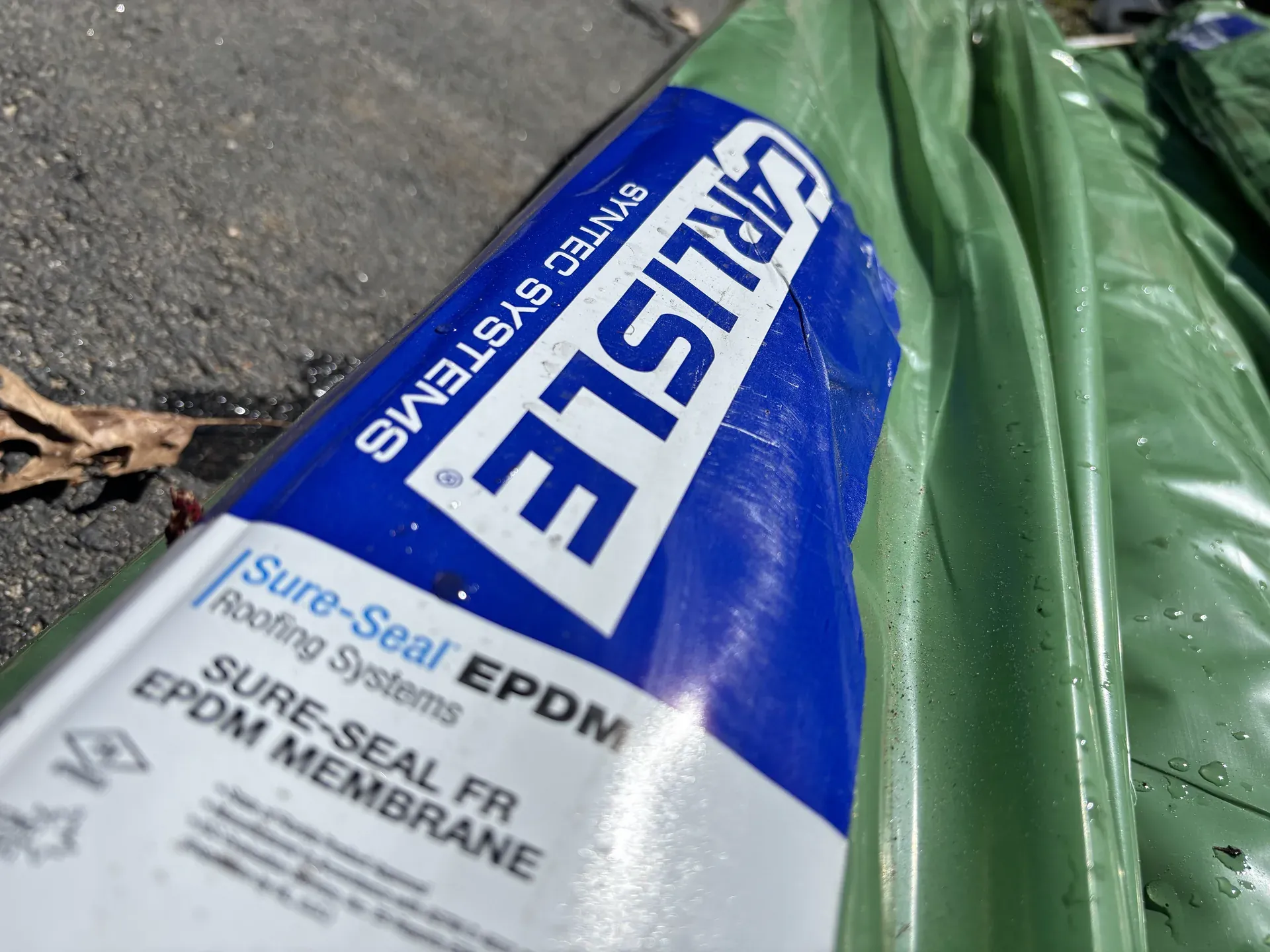
Understanding the key material properties of EPDM and TPO is vital for making an informed choice. EPDM is a synthetic rubber that provides durability and resistance to many environmental conditions, with options available in both dark and light colors. TPO is a thermoplastic material recognized for its energy efficiency potential and flexibility, though actual performance may vary by formulation and system.

What Are TPO Roofing Membrane's Reflectivity and Energy Efficiency Properties?

One of TPO's standout features is its light-colored and reflective surface, which can reduce solar heat gain under certain conditions. This characteristic may enhance energy efficiency in warmer climates by lowering cooling demands. However, the net building energy effects depend on climate, insulation levels, and heating and cooling loads, so savings and return on investment are not guaranteed. Likewise, EPDM is available in both dark and light colors, affecting its solar reflectivity accordingly.

How Do Installation Processes Differ Between EPDM and TPO Flat Roofs?

The installation methods for EPDM and TPO differ in their seam treatment. EPDM seams commonly use manufacturer-approved tapes and compatible primers or adhesives, while TPO seams are heat-welded. The membrane attachment method is a separate choice: adhered, mechanically attached and other assemblies are available depending on the selected product and design. Both require trained roofing professionals, and labor time and cost depend on the actual project.

Which Challenges Are Common When Installing TPO Membranes?

Challenges during TPO installation typically involve achieving proper seam integrity and maintaining correct temperature conditions for effective welding. Cold or inclement weather can interfere with the bonding process, potentially compromising seam quality. Therefore, adequate training and experience in TPO installation are vital to addressing these challenges. Similar attention to detail is needed for EPDM seams and attachment to ensure system longevity.

Which Membrane Provides Greater Durability and Weather Resistance for Flat Roofs?

Durability comparisons depend on the exact membrane formulations and the actual environmental exposures encountered, such as grease or oil presence. While EPDM resists ozone and many chemicals effectively, and TPO includes UV stabilizers and enhanced chemical resistance, compatibility with specific exposures should be verified through manufacturer data rather than generalized rankings. Consulting the experts can aid in selecting a suitable material for local conditions.

What Makes TPO Roofing Resistant to UV and Chemical Damage?

TPO's formulation incorporates UV stabilizers to mitigate degradation from sun exposure, extending membrane lifespan under appropriate conditions. Additionally, TPO is formulated to resist various chemicals, though effectiveness depends on the specific membrane product and environmental factors. Verifying compatibility with expected chemical exposures is essential for both TPO and EPDM membranes.

What Are the Cost and Lifecycle Differences Between EPDM and TPO Roofing?

Lifecycle cost differences are influenced by initial installation costs tied to project specifics and system choices, ongoing maintenance requirements, and potential energy savings due to membrane properties. While some TPO systems can contribute to lower cooling costs, EPDM membranes generally offer durable performance with maintenance. Considering lifespans and repair frequency alongside energy efficiency impacts will guide a comprehensive cost-benefit analysis.

What Lifecycle and Warranty Options Are Offered by Each Membrane?

Warranty durations and coverage vary widely by manufacturer, membrane type, and installation quality. Warranties may include specific maintenance requirements to remain valid. Buyers should carefully review manufacturer documentation and verify warranty eligibility, coverage, exclusions, and required maintenance provisions rather than relying on generalized warranty periods.

How Do EPDM and TPO Roofing Membranes Impact Energy Efficiency and Sustainability?

Energy efficiency consideration includes membrane reflectivity and insulation synergy. TPO's reflective surfaces can reduce cooling loads in certain climates, contributing to sustainability. EPDM, available in various colors, offers sustainability advantages through its durability and longevity, which reduce waste and replacement frequency. The net environmental benefits depend on many variables, including material sourcing and regional recycling availability.

Are There Environmental Advantages to Choosing EPDM Membranes?

EPDM membranes are valued for their durability and potential recyclability depending on local programs and membrane condition. Their robust design may reduce total waste by extending periods between replacements. However, recycling options vary and are not universally available. Environmental advantages should be assessed in context with regional recycling infrastructure and project specifics.

What Maintenance and Repair Strategies Optimize Longevity for EPDM and TPO Roofs?

Regular maintenance is crucial for both EPDM and TPO roofing systems to ensure efficacy and longevity. Key strategies include:

  1. Scheduled Inspections: Regularly assess for damage, wear, or punctures to address issues before they escalate.
  2. Cleaning Debris: Keep drains and drainage paths clear, and have persistent ponding or accumulated debris assessed as part of professional maintenance.
  3. Prompt Repairs: Addressing minor damages immediately prevents extensive issues, ensuring the roof continues to withstand environmental stressors.

How Should Repairs Be Approached for TPO Roofing Membrane Damage?

Repairs on TPO membranes should focus on maintaining seam integrity and assessing underlying conditions. Repairs must be executed by trained roofing professionals using compatible materials and following manufacturer procedures to ensure system performance. DIY patch kits are not recommended due to the technical requirements of seam and membrane repairs.

MaterialService Life ConsiderationsCost Drivers
EPDMVaries by system, installation quality, maintenance, and conditionsDependent on deck type, tear-off, insulation, membrane choice, attachment method, accessibility, and project details
TPOVaries by system, installation quality, maintenance, and conditionsDependent on deck type, tear-off, insulation, membrane choice, attachment method, accessibility, and project details

This comparison highlights that service life and costs for EPDM and TPO roofing systems depend on many project-specific factors. TPO's reflective properties may offer energy savings in appropriate climates, while EPDM's durability is well-regarded when properly selected and maintained.

Contact Merrimack Valley Roofing

Request a free on-site inspection and written estimate from Merrimack Valley Roofing to discuss your commercial roof, drainage and the proposed system.