Fiber Cement vs. Vinyl Siding: Which Is Best for Your Home?

Home » Blog » Fiber Cement vs. Vinyl Siding: Which Is Best for Your Home?
Merrimack Valley Roofing | Fiber Cement vs. Vinyl Siding: Which Is Best for Your Home?

Fiber Cement vs. Vinyl Siding: Which Is Best for Your Home?

By Daniel Grzyboski, Merrimack Valley Roofing

Choosing the right siding for your home can be a daunting task, with important factors to consider such as durability, cost, and aesthetic appeal. This comparison between fiber cement and vinyl siding aims to provide a clear understanding of the strengths and weaknesses of each material. Homeowners not only want to know which option is the most cost-effective but also which one offers the best longevity and value in the long run. This article will delve into key differences, durability, maintenance needs, environmental impact, installation requirements, and how these materials can influence your home’s resale value. By the end, you'll have a comprehensive view to help make the most informed decision for your home.

What Are the Key Differences Between Fiber Cement and Vinyl Siding?

Understanding the distinctions between fiber cement and vinyl siding is crucial for making an informed choice. Fiber cement siding, made from a mixture of cement, sand, and cellulose fibers, is known for its sturdiness and fire resistance. In contrast, vinyl siding is a PVC-based material that is lightweight and available in an array of colors and styles.

How Is Fiber Cement Siding Made and What Are Its Benefits?

Fiber cement siding undergoes a highly controlled manufacturing process that involves mixing cement, wood fibers, and sand. This combination creates a product that is not only durable but also resistant to harsh weather conditions. The benefits of fiber cement include its long lifespan of 50 years or more, resistance to fire, and minimal maintenance needs. Additionally, it enhances aesthetic appeal with a variety of styles, mimicking wood or stucco.

What Are Vinyl Siding’s Features and Advantages?

Vinyl siding is engineered from polyvinyl chloride (PVC), offering a blend of benefits including cost-effectiveness and versatility. One notable feature is its low maintenance requirement, as vinyl does not require painting and can be easily cleaned with a hose. It also comes in a vast range of colors and styles, providing homeowners with various aesthetic options. Its lightweight nature considerably simplifies installation, contributing to overall cost reduction.

How Do Fiber Cement and Vinyl Siding Compare in Durability and Weather Resistance?

Merrimack Valley Roofing | Fiber Cement vs. Vinyl Siding: Which Is Best for Your Home?

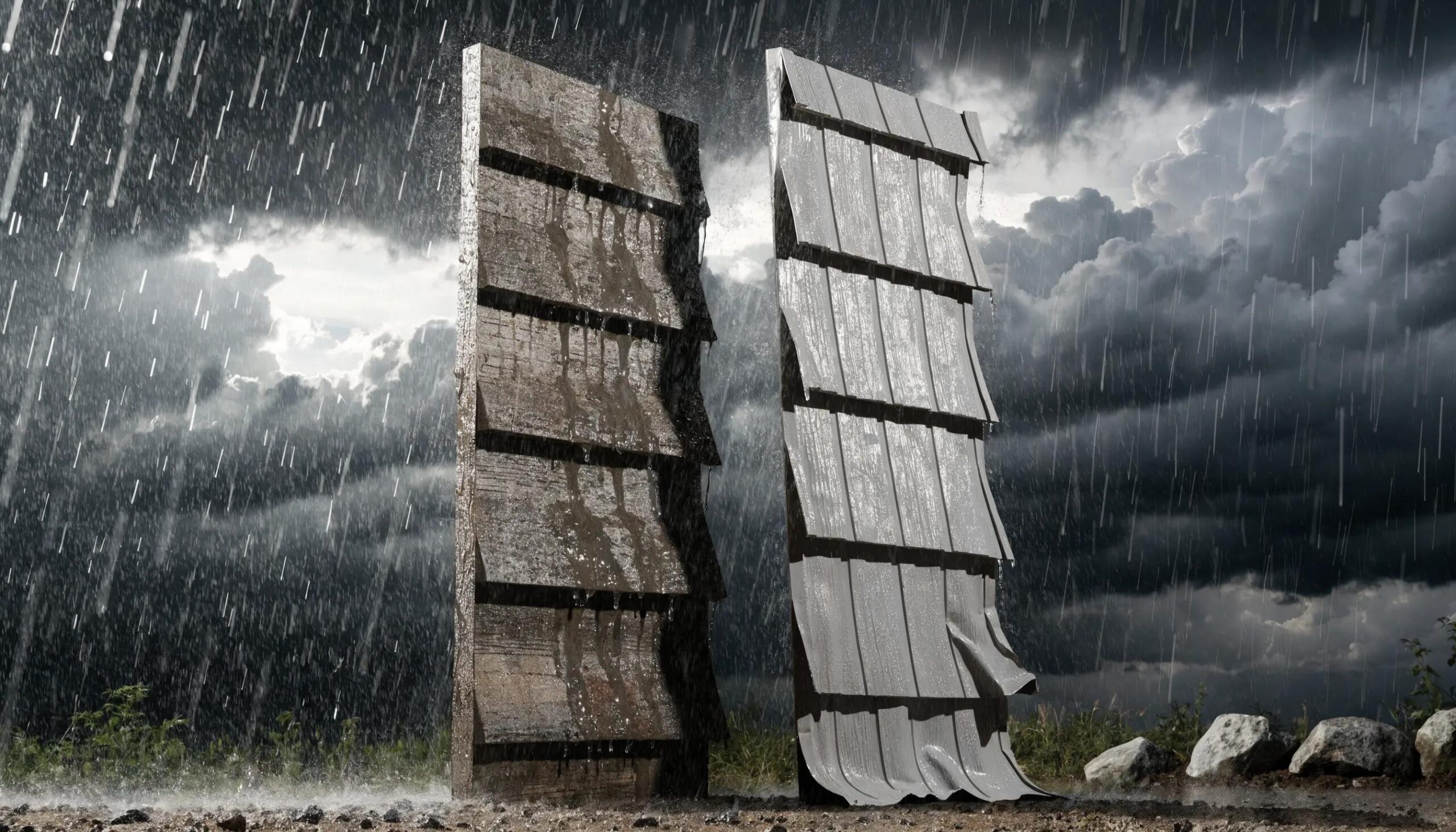
Durability and weather resistance are critical factors when choosing siding. Fiber cement generally outperforms vinyl siding in terms of longevity and robustness against extreme weather. It is not only impervious to rot and pests but can withstand high winds and hail impacts. For homeowners seeking reliable exterior protection, exploring siding installation and repair services is paramount.

Which Siding Material Offers Better Resistance to Hail, Fire, and Extreme Weather?

When it comes to resilience against severe weather conditions, fiber cement leads the way. It boasts a Class A fire rating and can endure wind speeds up to 130 mph, making it suitable for various climates. Vinyl siding, while offering some protection, is more susceptible to fading and can warp under extreme heat or cold.

How Does Each Material Perform in Different Regional Climates?

In colder climates, fiber cement maintains its integrity and does not expand or contract as much as vinyl, making it a more reliable choice. Conversely, while vinyl siding can perform adequately in milder areas, its limitations become evident in regions with extreme climate variations. Learning how these materials fare in your specific region can influence your choice significantly.

What Are the Cost Implications and Maintenance Needs of Fiber Cement vs. Vinyl Siding?

Cost and maintenance are often pivotal in the decision-making process. While fiber cement has a higher initial cost, its longevity tends to offset the upfront price in terms of overall value. Understanding both initial and ongoing costs is essential for budgeting.

What Is the Initial and Long-Term Cost of Fiber Cement Siding?

The initial cost of fiber cement siding can range from $6 to $12 per square foot, depending on quality and installation factors. However, due to its durability, homeowners can expect to save in the long run as it typically requires fewer repairs and replacements over decades, unlike vinyl.

How Does Vinyl Siding Compare in Cost Efficiency and Maintenance?

Vinyl siding usually costs between $3 to $7 per square foot, making it a more affordable option initially. Its low maintenance needs—requiring only occasional cleaning—add to its affordability. However, homeowners should consider its longevity and possible replacement costs when determining overall cost efficiency.

How Do Fiber Cement and Vinyl Siding Impact Environmental Sustainability and Energy Efficiency?

The environmental impact of siding materials is becoming an increasingly important consideration. Both fiber cement and vinyl siding have unique sustainability metrics, influencing consumer choices based on eco-friendliness.

What Are the Environmental Benefits of Fiber Cement Siding?

Fiber cement siding is often made from sustainable materials and can be recycled at the end of its life cycle. Additionally, it contributes to energy efficiency due to its thermal properties, reducing heating and cooling costs for homeowners.

How Eco-Friendly Is Vinyl Siding Compared to Fiber Cement?

Vinyl siding is created from a synthetic material, which raises concerns about its environmental footprint. While some brands have made strides in manufacturing recyclable vinyl, it generally has a higher environmental impact compared to fiber cement due to its production processes and potential for petrochemical waste.

What Are the Installation Requirements and Timeframes for Fiber Cement and Vinyl Siding?

Understanding the installation requirements and expected timeframes can help homeowners streamline the siding replacement project. Both materials have distinct installation processes that can affect overall project timelines.

How Complex Is Fiber Cement Siding Installation?

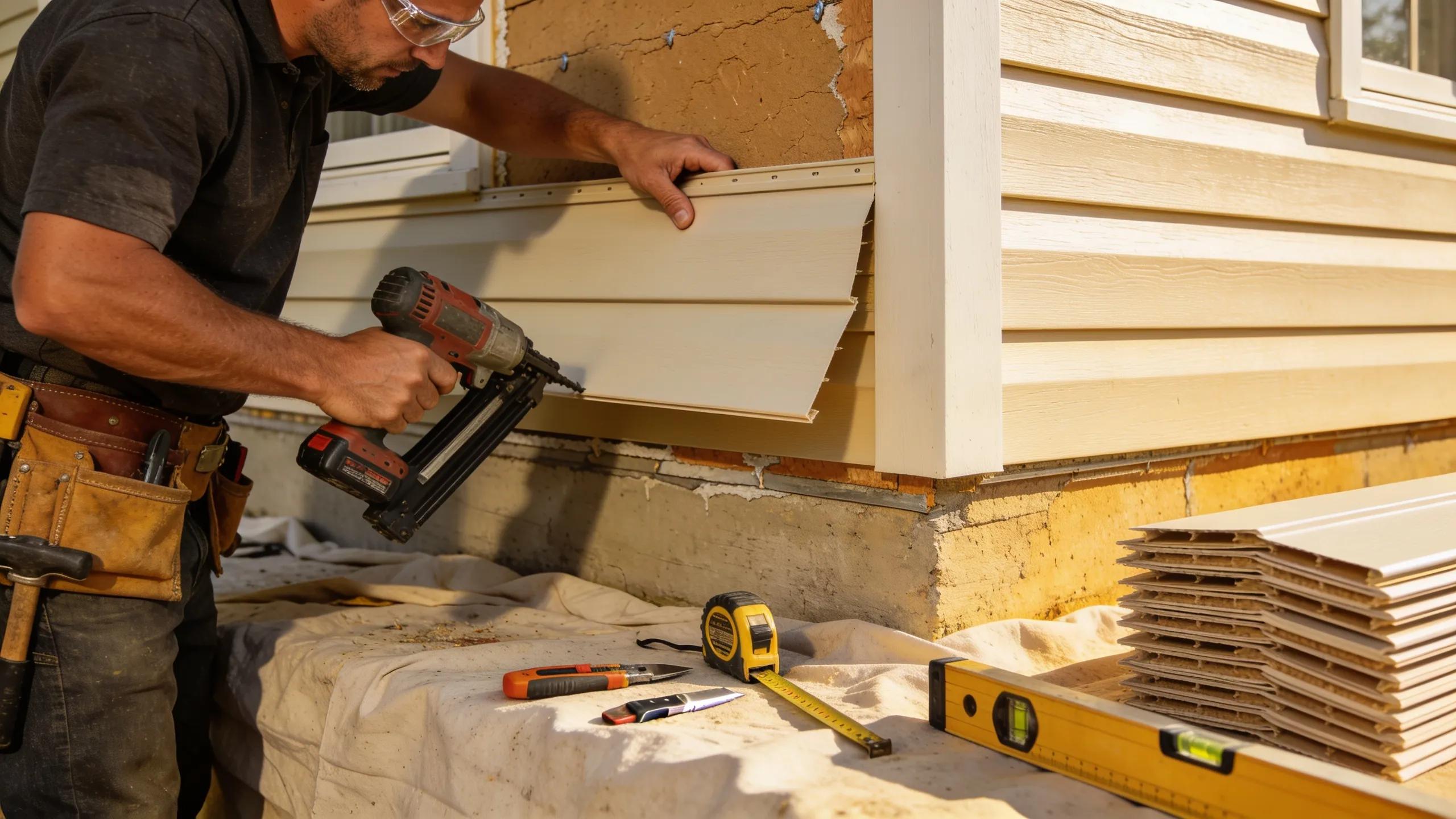
Installing fiber cement siding is more complex than vinyl due to its heavier weight and the need for specialized tools and techniques. Homeowners often require professional installers, leading to higher labor costs. The installation process typically takes longer, often ranging from several days to weeks depending on the home's size and weather conditions.

What Should Homeowners Expect When Installing Vinyl Siding?

Merrimack Valley Roofing | Fiber Cement vs. Vinyl Siding: Which Is Best for Your Home?

Vinyl siding installation is generally quicker and more straightforward. It can often be completed within a matter of days by experienced contractors due to its lightweight nature. Homeowners can expect a less disruptive process, with many options available for DIY installation as well.

How Do Aesthetic Options and Home Resale Value Differ Between Fiber Cement and Vinyl Siding?

Aesthetics play a significant role in the siding selection process, especially in the context of resale value. The visual appeal of siding can enhance the overall marketability of a home.

What Are the Color and Texture Options Available for Fiber Cement Siding?

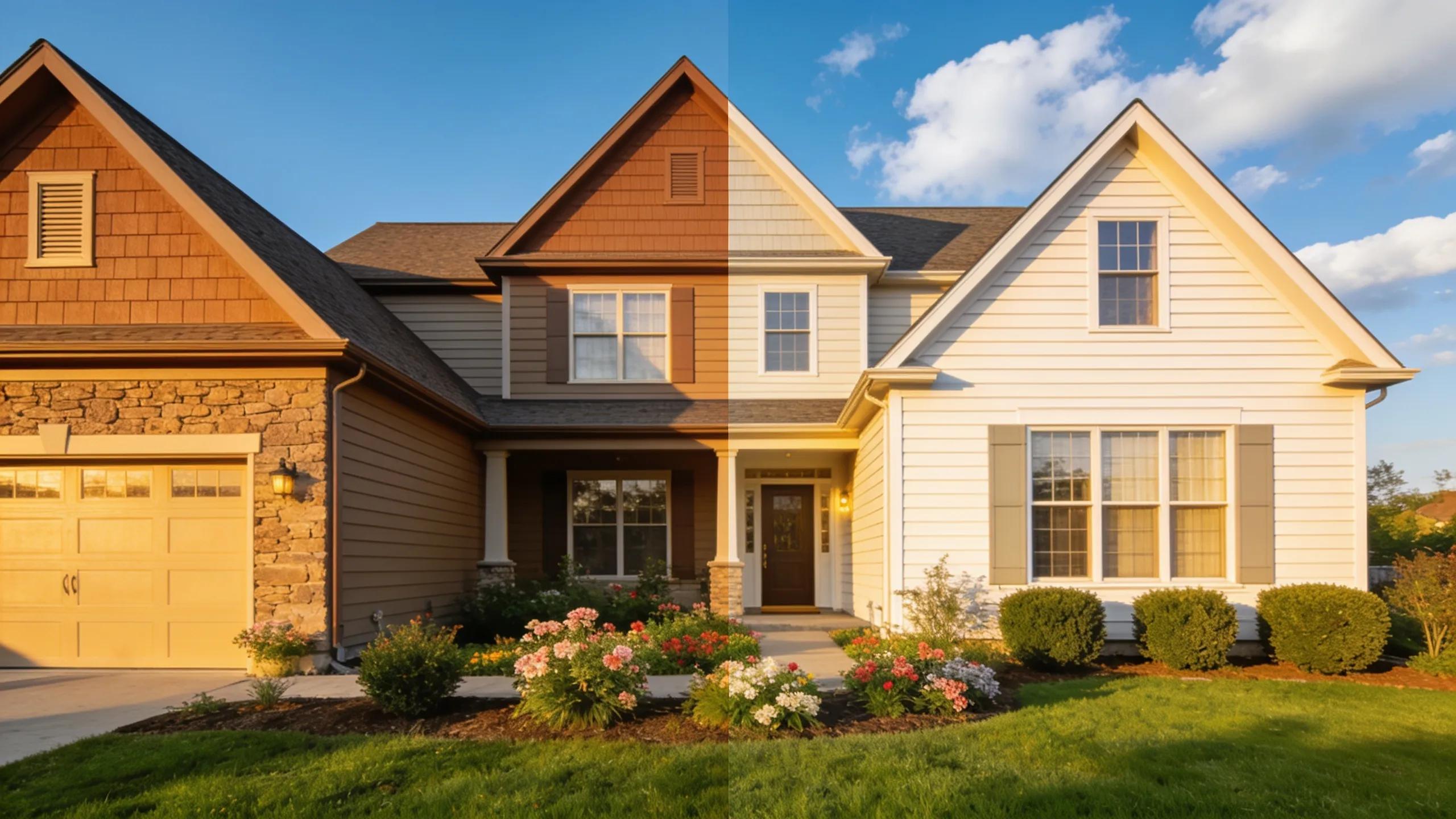
Fiber cement siding offers a wide range of color and texture possibilities, allowing homeowners to customize their homes’ appearance. It can mimic traditional materials like wood or stucco, providing the visual appeal of these materials without as much maintenance.

How Does Vinyl Siding Enhance Home Appearance and Market Value?

Vinyl siding also comes in an abundance of colors and designs. It can significantly boost the curb appeal and market value of a home, making it a popular choice among homeowners looking to quickly improve aesthetic appeal at a lower cost compared to fiber cement, especially in entry-level markets.

For homeowners contemplating significant exterior renovations, understanding the breadth of services available can be beneficial. Whether it's through comprehensive roofing and siding solutions or specialized work like roofing services, expert assistance ensures lasting quality.

Considering the integral role windows play in a home's overall protection and efficiency, homeowners might also look into professional gutter installations to complement their siding and roofing choices. Properly functioning gutters are essential for water management, protecting the foundation and exterior walls.

In certain regions, managing the impact of ice and snow on homes is a critical concern. Specialized services for ice and snow removal can prevent structural damage and ensure safety during harsh winter months.