Effective Ice Dam Removal Techniques for New England Homes

Home » Blog » Effective Ice Dam Removal Techniques for New England Homes
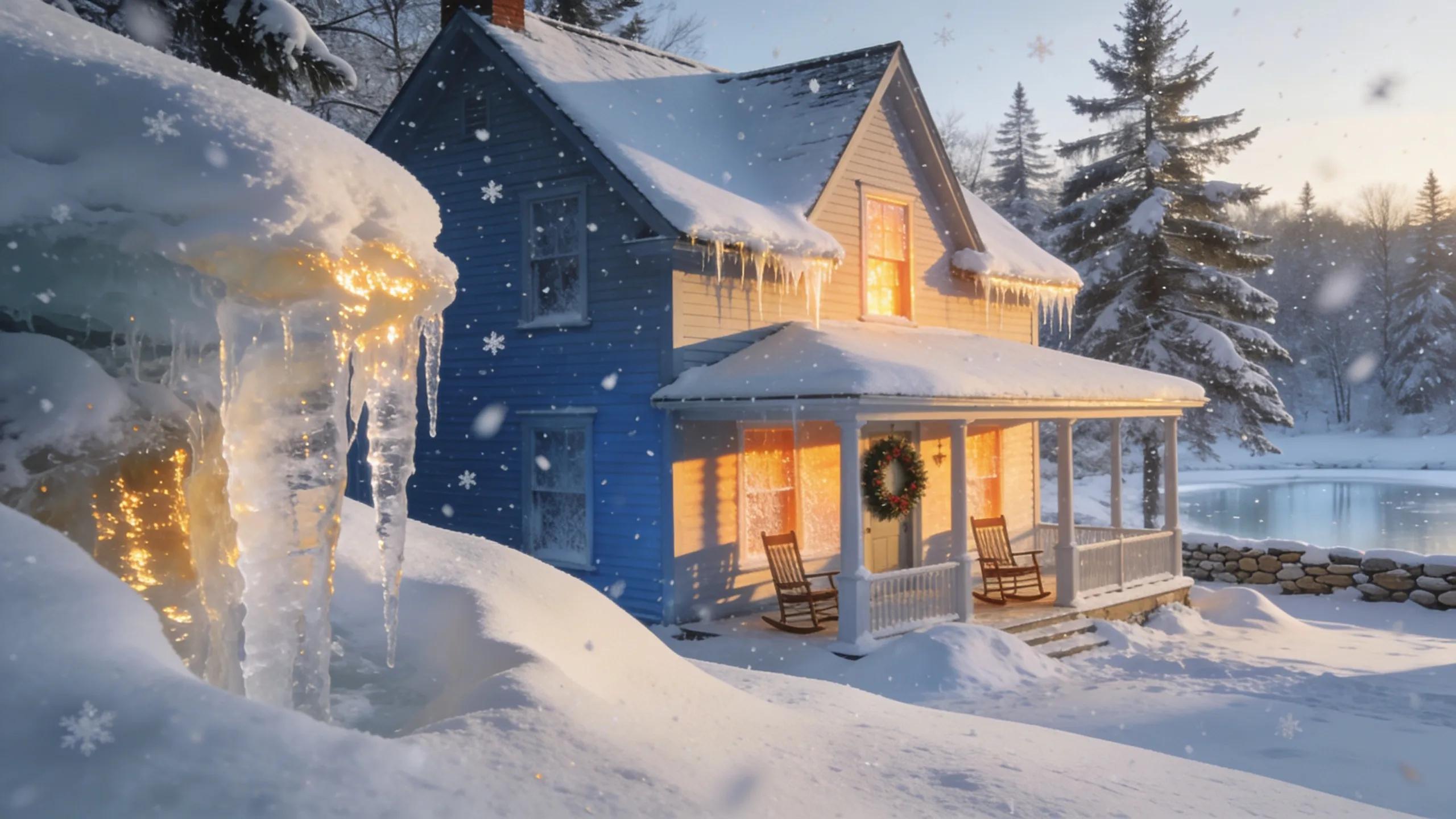
Professional roofing services by Merrimack Valley Roofing in Sandown, NH, addressing ice dam formation on a snow-covered home.

Ice Dam Prevention: How to Protect Your New England Home This Winter

By Daniel Grzyboski, Merrimack Valley Roofing

Ice dams form when snow melts on a warmer area of the roof and refreezes near a colder edge. Reducing heat escaping into the attic helps address a common cause. An ice dam that has already formed needs separate attention, particularly if water is entering the house.

For an existing buildup, see Merrimack Valley Roofing's ice dam and roof snow removal service. The prevention steps below focus on reducing the conditions that allow dams to return.

Ice Dam Removal Techniques:

Ice dams require immediate attention to avoid further damage to your property. For severe ice buildup, consider professional removal services that specialize in ice dam elimination.

Winter Maintenance Practices:

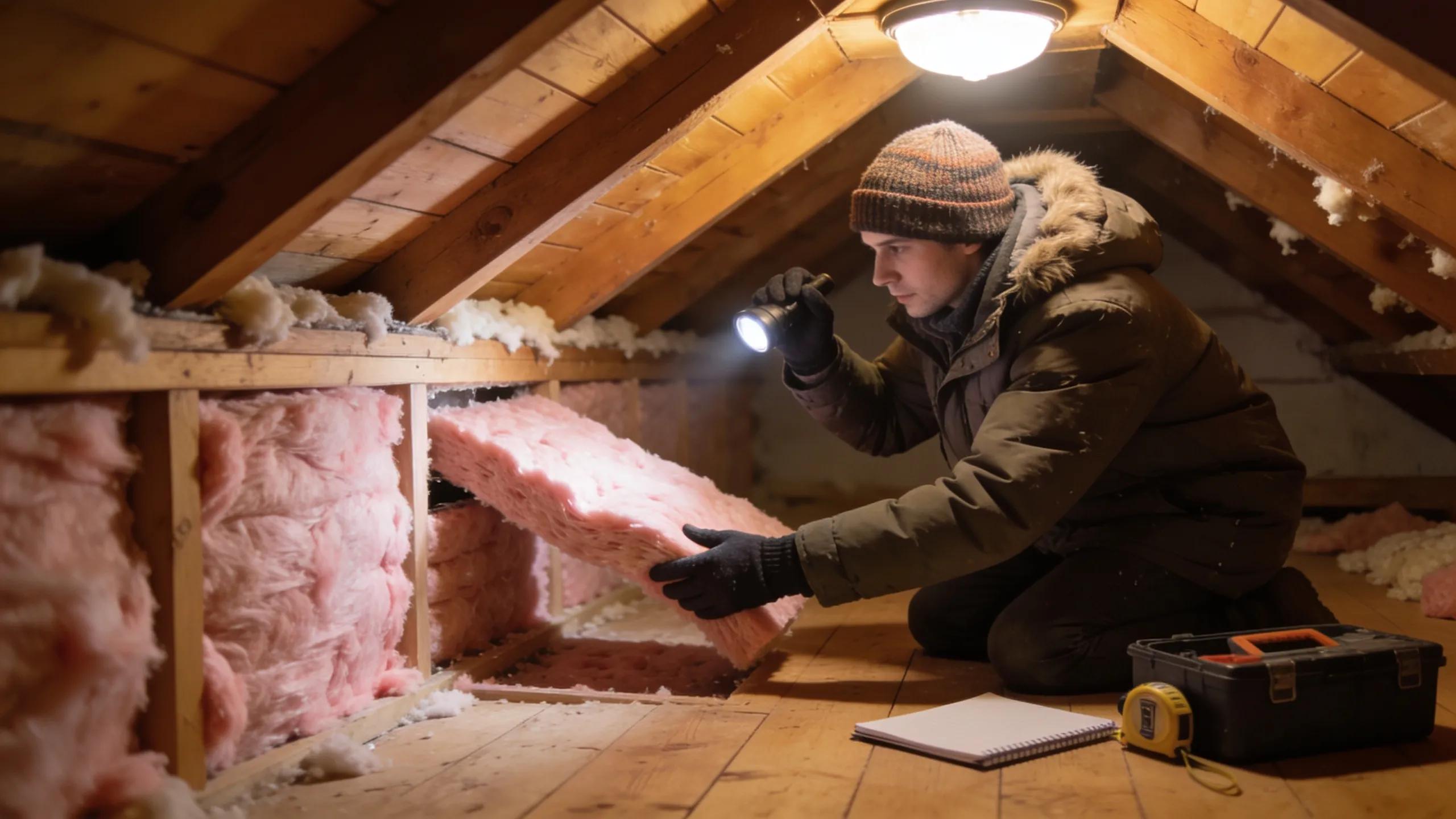
Professional roofing services by Merrimack Valley Roofing in Sandown, NH, inspecting attic insulation for ice dam prevention.

To prevent ice dams from forming, maintaining your roof, gutters, and overall home structure during winter is essential. This includes:

  1. Regular Inspections: Inspect your roof and gutters routinely to catch any potential issues early.
  2. Improving Insulation: Make sure that your insulation is up to par; quality materials can help keep the heat inside your home.
  3. Gutter Maintenance: Keep gutters clear of debris to ensure free-flowing drainage, reducing the chance of ice buildup.

By implementing these practices, you can significantly lower the risk of ice dams forming and causing damage.

What Causes Ice Dams on Roofs in New England Winters?

Ice dams typically occur due to a combination of factors that include snow accumulation, temperature fluctuations, and the structural integrity of the roof. Understanding these elements can help prevent ice dam formation:

How Do Snowmelt and Freeze Cycles Lead to Ice Dam Formation?

During winter, fluctuating temperatures can cause snow on the roof to melt during the day and freeze at night. Heat loss from homes, especially around poorly insulated areas, accelerates this process. The resultant water flows down to the eaves and freezes, ultimately creating a dam.

What Role Do Roof Insulation and Attic Ventilation Play in Causes?

Effective roof insulation is crucial for maintaining consistent roof temperatures. Poorly insulated roofs allow more heat to escape, leading to uneven melting and subsequent freezing. Adequate attic ventilation plays a significant role in equalizing temperature and reducing the chances of ice dams.

How Can You Prevent Ice Dams: Effective Roof Insulation and Ventilation Techniques?

To effectively prevent ice dams, it is essential to enhance both roof insulation and ventilation. This can be achieved by:

A home-energy professional can assess air leakage and insulation between the living space and attic. Roof ventilation should be considered with those findings. Removing an ice dam deals with the current obstruction; reducing heat loss addresses a common reason it forms again.

  • Using materials with higher R-values to reduce heat loss.
  • Ensuring that air flow pathways are unobstructed to facilitate proper ventilation.

Implementing these strategies allows your roof to maintain a consistent temperature, reducing the risk of ice formation.

What Are Best Practices for Upgrading Roof Insulation to Stop Ice Dams?

When considering roof insulation upgrades, take into account the following essential practices:

  1. Types of Insulation Materials: Opt for high-quality insulation materials that provide optimal thermal resistance.
  2. Proper Installation Techniques: Ensure that all insulation is installed correctly, with no gaps or compression.
  3. Maintenance and Inspection Tips: Regularly check the condition of the insulation to ensure it remains effective.

By following these guidelines, you can significantly bolster your roof’s resistance to ice dam formation.

How Does Proper Attic Ventilation Help in Ice Dam Prevention?

Attic ventilation is vital for reducing ice dam risks. Proper ventilation allows for consistent airflow, which helps regulate attic temperatures. Here are some key benefits:

  • Methods of Ventilation: Incorporate ridge vents and soffit vents to maximize airflow.
  • Benefits of Airflow Regulation: Effective ventilation reduces heat accumulation and moisture buildup.
  • Impact on Roof Surface Temperature: Maintaining an even temperature on the roof surface aids in preventing snow from melting unevenly.

What Are the Key Gutter Maintenance and Snow Management Steps to Avoid Ice Dams?
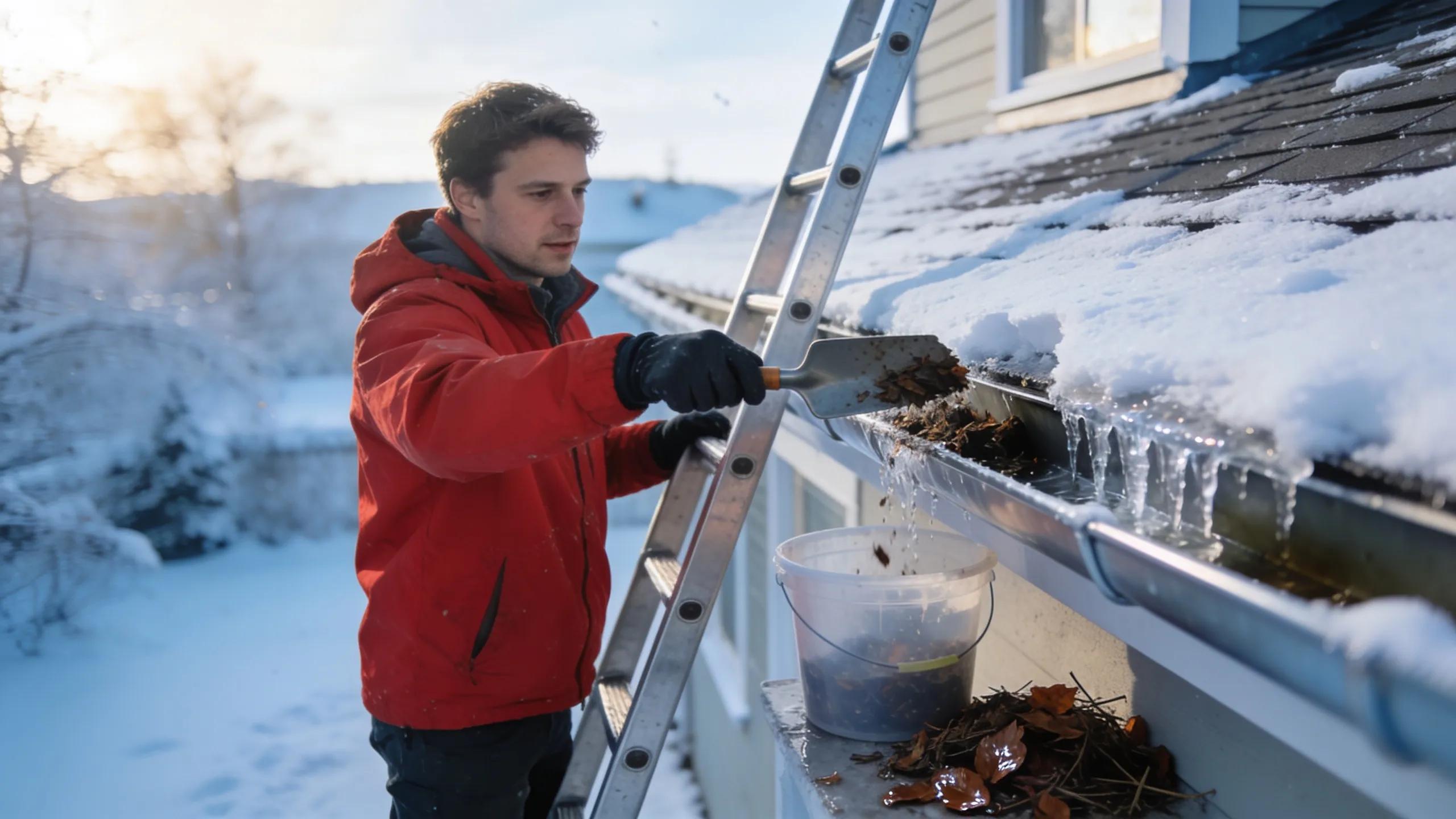
Merrimack Valley Roofing | Effective Ice Dam Removal Techniques for New England Homes

Maintaining clear gutters and effective snow management is essential. Here are key practices for managing roof snow and meltwater:

  1. Importance of Clearing Gutters: Ensure that gutters are free of debris to allow for proper drainage.
  2. Snow Removal: For an existing buildup, see our ice dam and roof snow removal service.
  3. Preventive Maintenance Practices: Regularly inspect and maintain your gutters to ensure they function correctly.

Implementing these strategies can mitigate ice buildup and the potential for subsequent damage.

How Does Regular Gutter Cleaning Reduce Ice Buildup on Roof Edges?

Clear gutters and downspouts help meltwater drain, but they do not correct heat escaping from the house. Gutters should be checked alongside the roof and attic conditions. Damaged drainage components may need gutter and downspout repair.

What Snow Removal Techniques Minimize Ice Dam Risks on Gutters and Roofs?

Effective snow removal techniques contribute significantly to preventing ice dams. Some useful methods include:

  • Professional Services Overview: For significant snow accumulation, consider hiring professionals who are equipped to handle snow removal safely.

Optimizing Gutter and Snow Management to Prevent Ice Dams

Heating cables can create meltwater channels in some conditions. They do not correct the heat-loss problem that can lead to ice dams. A qualified professional should evaluate whether a cable system suits the roof and how it must be installed and maintained. Do not climb onto an icy roof to install or adjust one.

What Are the Installation Methods for Effective Roof Heating Cables?

A qualified professional should evaluate whether a cable system suits the roof and how it must be installed and maintained.

  1. Safety Protocols: Follow all safety guidelines during installation to prevent electrical hazards.
  2. Maintenance Tips: Regular checks for wear and damage can ensure ongoing effectiveness.

Are Ice Melting Cables Efficient and Safe for New England Homes?

Ice melting cables can provide an effective solution for ice dam prevention. Here are some considerations:

  • System Limits: Heating cables do not correct the heat-loss problem that can lead to ice dams.
  • Comparative Analysis: Evaluate the cost-effectiveness of these systems against potential damage repairs.
  • Recommendations for Use: Based on local conditions, installation should be tailored to fit specific roofing scenarios.

When Should You Contact Professional Ice Dam Removal Services in New England?

Identifying when to reach out for professional help can save your home from extensive damage. Key indicators include:

  • Signs of Ice Dam Formation: Look for icicles hanging from the roof edges.
  • Risks of Neglecting Removal: Allowing ice dams to persist can lead to leaks and significant water damage.
  • When to Seek Professional Help: If you observe significant ice buildup, professional intervention may be necessary.

What Are Signs That Indicate Professional Roof Ice Dam Removal Is Needed?

Recognizing warning signs can prevent costly repairs. Look for:

  • Physical Indicators: Water stains on ceilings or walls.
  • Common Issues Caused by Ice Dams: Structural damage or mold growth.
  • Impact of Weather Patterns: Consider how alternating freeze-thaw cycles affect ice buildup.

How Can Merrimack Valley Roofing Help With Expert Ice Dam and Snow Removal?

If an ice dam has left stains or an active leak, Merrimack Valley Roofing can assess the roof and the work it needs. Request a roof inspection or call 978-662-7079. For snow and ice already on the roof, use our winter roof service.

What Are Essential Home Winterizing Best Practices to Protect Against Ice Dams?

To protect your home against ice dams, consider these best practices:

  1. Maintenance Practices: Regular inspections can identify issues before they escalate.
  2. Effective Insulation Tips: Proper insulation can help maintain temperature.
  3. Ventilation Measures: Ensure air circulation to reduce heat buildup.

How Should You Prepare Your Roof and Home Before Winter Arrives?

Preparation is key to a successful winter. Follow these steps:

  1. Inspecting Roofs: Regular inspections can highlight areas needing attention.Professional roof inspections are crucial for identifying potential problems early.
  2. Air Leakage: A home-energy professional can assess air leakage and insulation between the living space and attic.
  3. Cleaning Gutters: Ensure your gutters are clear to facilitate drainage.

How Can You Check Your Roof Safely Before Winter?

A roof inspection gives a roofer a closer view of the areas you cannot safely assess yourself.

  • Check From the Ground: Check the roof from the ground for missing shingles, displaced flashing and loose gutters.
  • Check Inside: Note any new ceiling stains or damp areas.
  • Roof Access: Keep off the roof when it is wet, icy or snow-covered.

By taking proactive measures and understanding the underlying principles of ice dam formation, you can effectively protect your home against the harsh New England winter.